From Dental Clinic to
Dental Hospital: What Changed
Yonsei Heal Dental Clinic is now Yonsei Heal Dental Hospital. It's more than a name change — it means we now meet the standards Korean law sets for hospital-level dental facilities.
Dental hospitals are rare in Korea
Based on the Dental Policy Research Institute's "2024 Korea Dental Care Yearbook" (published December 19, 2025).
Korea has 19,383 dental facilities in total. Of those, 19,142 are dental clinics (의원) and only 241 are licensed as dental hospitals (병원). Most dental clinics are primary-care, outpatient practices. A dental hospital is a separate classification under Korean medical law, granted only to facilities meeting additional facility and staffing requirements.
Only about 1.24% of Korean dental facilities are hospitals
What Heal Dental Hospital has as a hospital
Heal Dental Hospital has run a dedicated International Healthcare Center for overseas patients, and as a hospital-level facility it maintains the following.
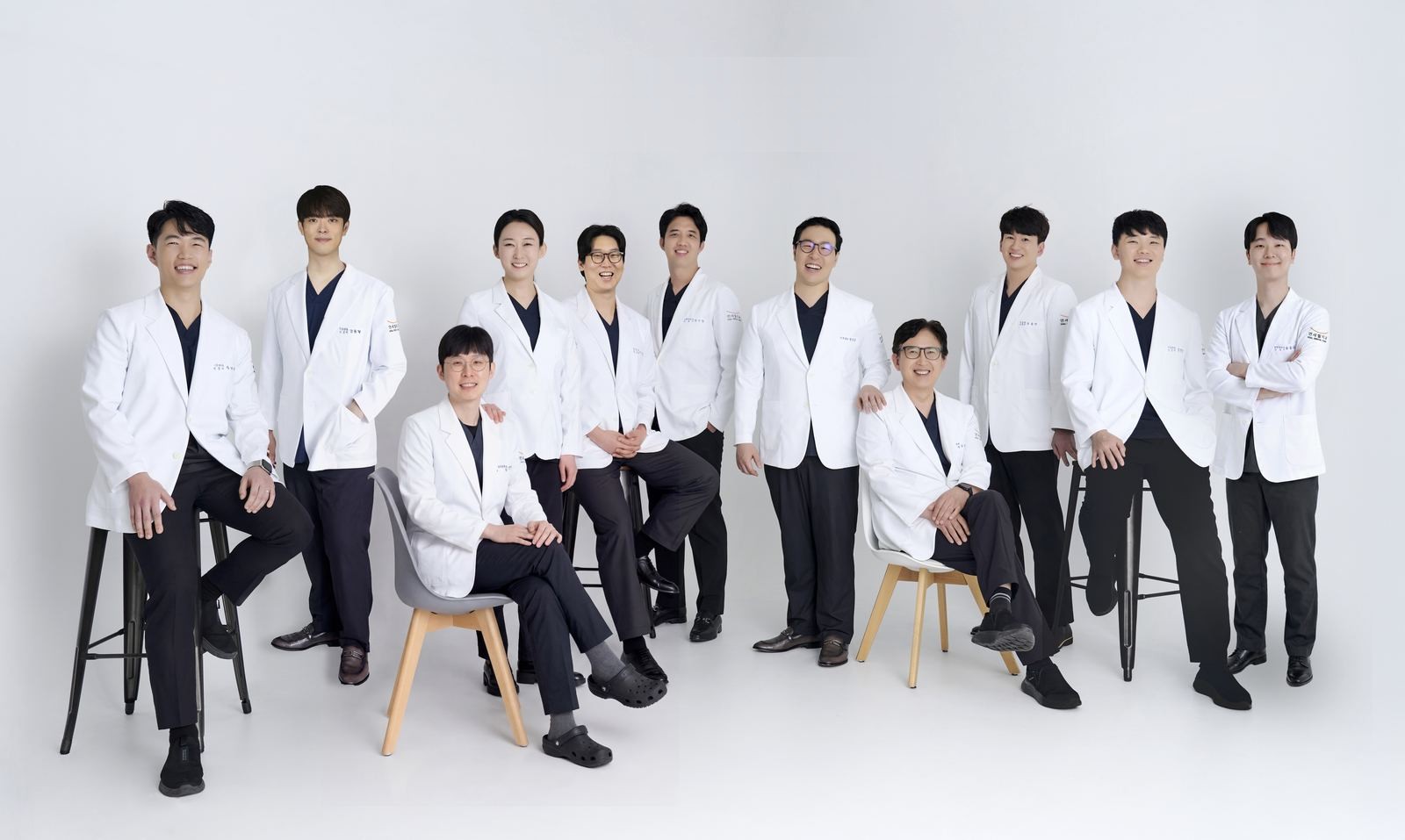
Specialists across oral & maxillofacial surgery, conservative dentistry, prosthodontics, and periodontics collaborate on treatment planning.
Coordinators from the International Healthcare Center support consultations, treatment explanations, and informed consent.
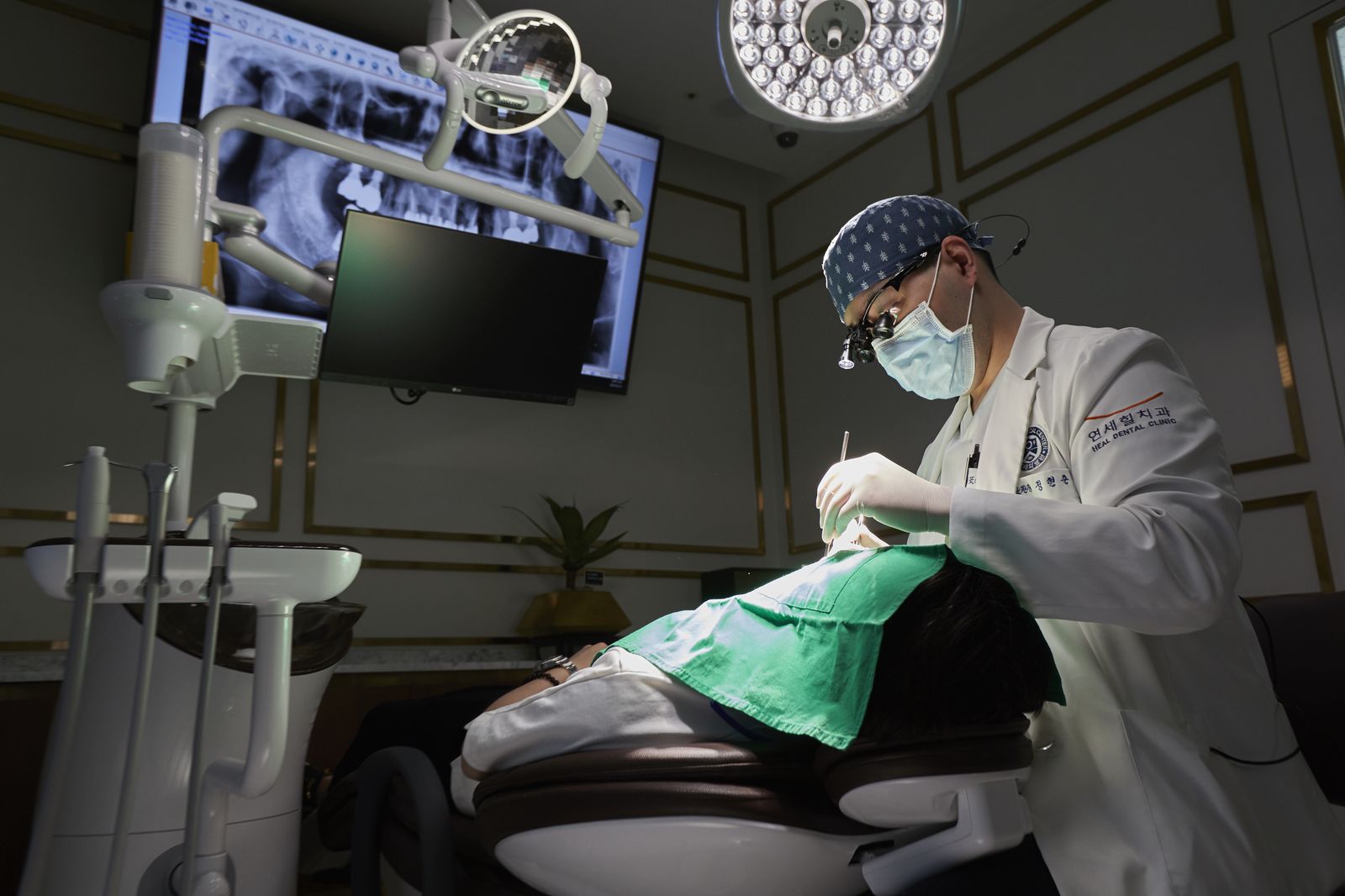
A separate operating room equipped with emergency equipment, including a defibrillator.
A dedicated imaging suite with 3D CT and an intraoral scanner.
* Treatment plans and procedures vary based on each patient's individual oral condition.
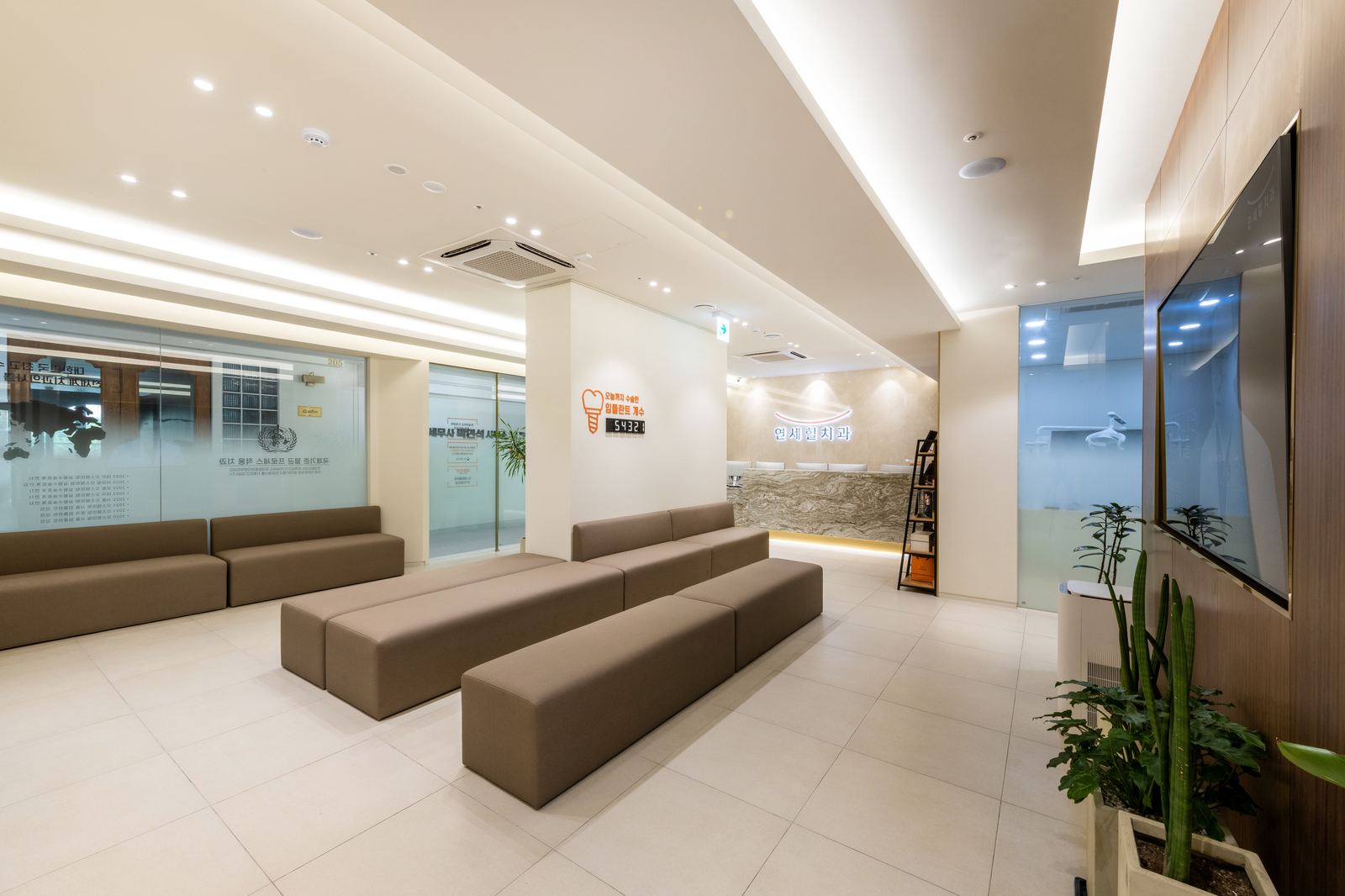
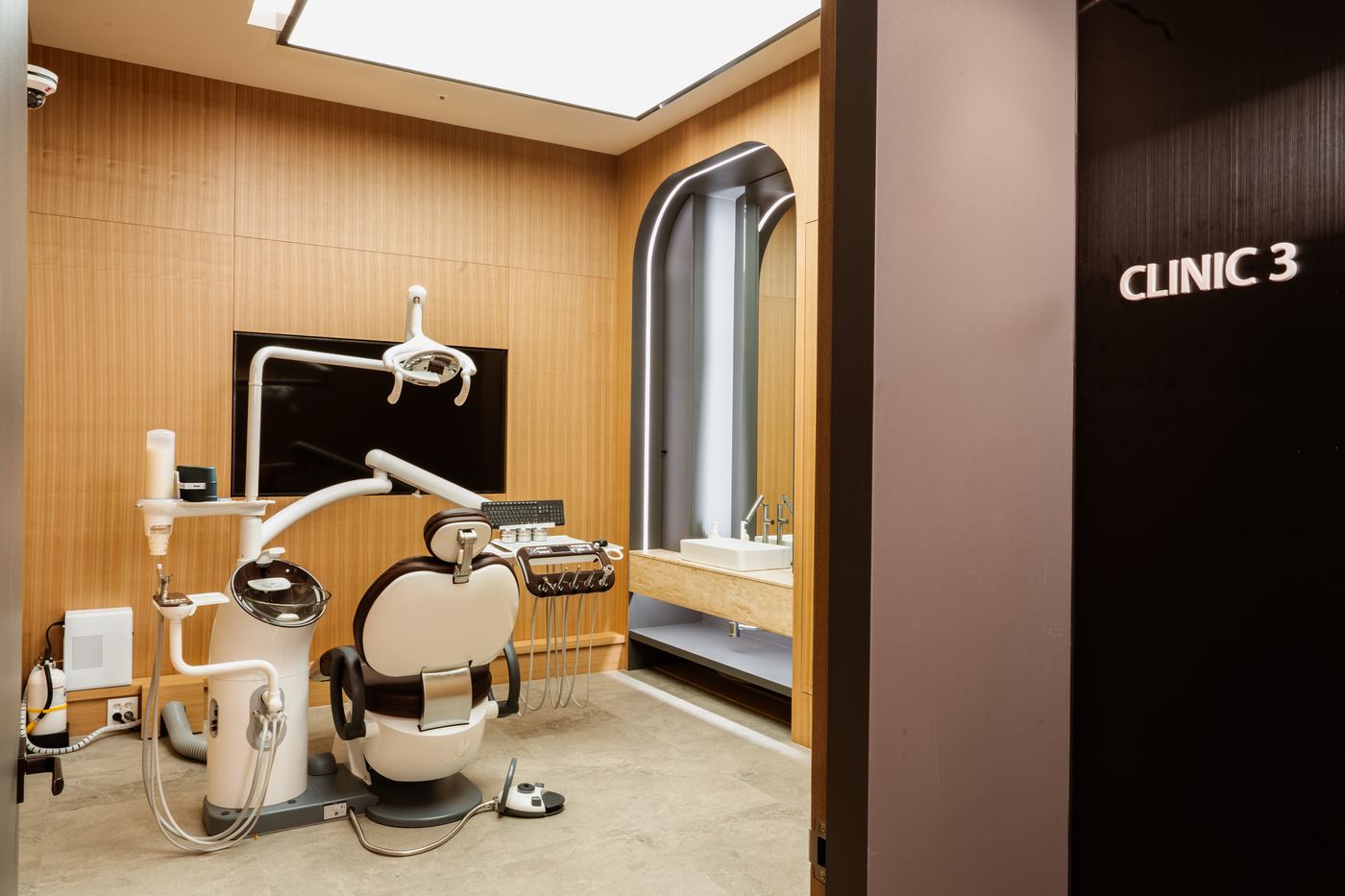
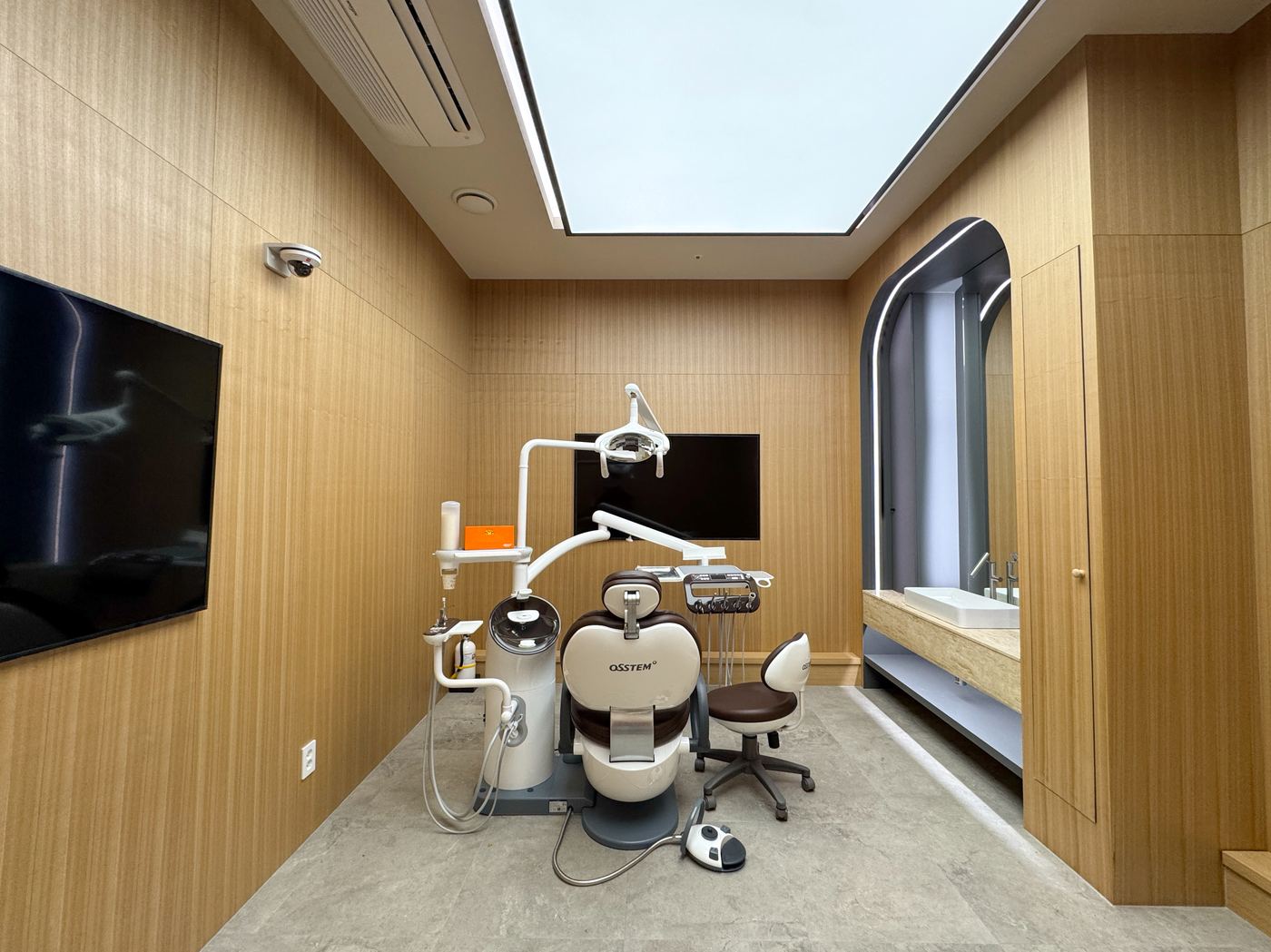
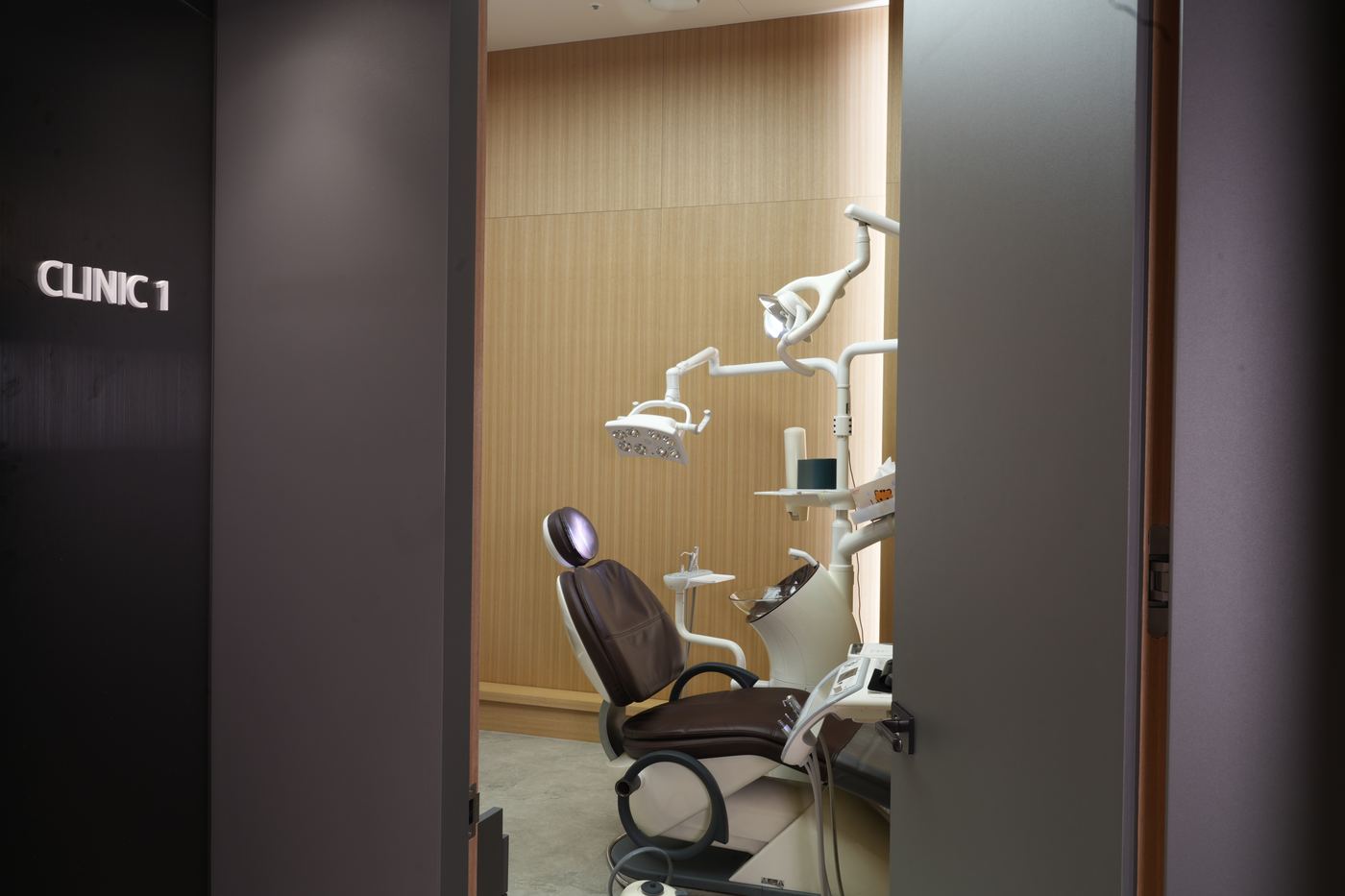
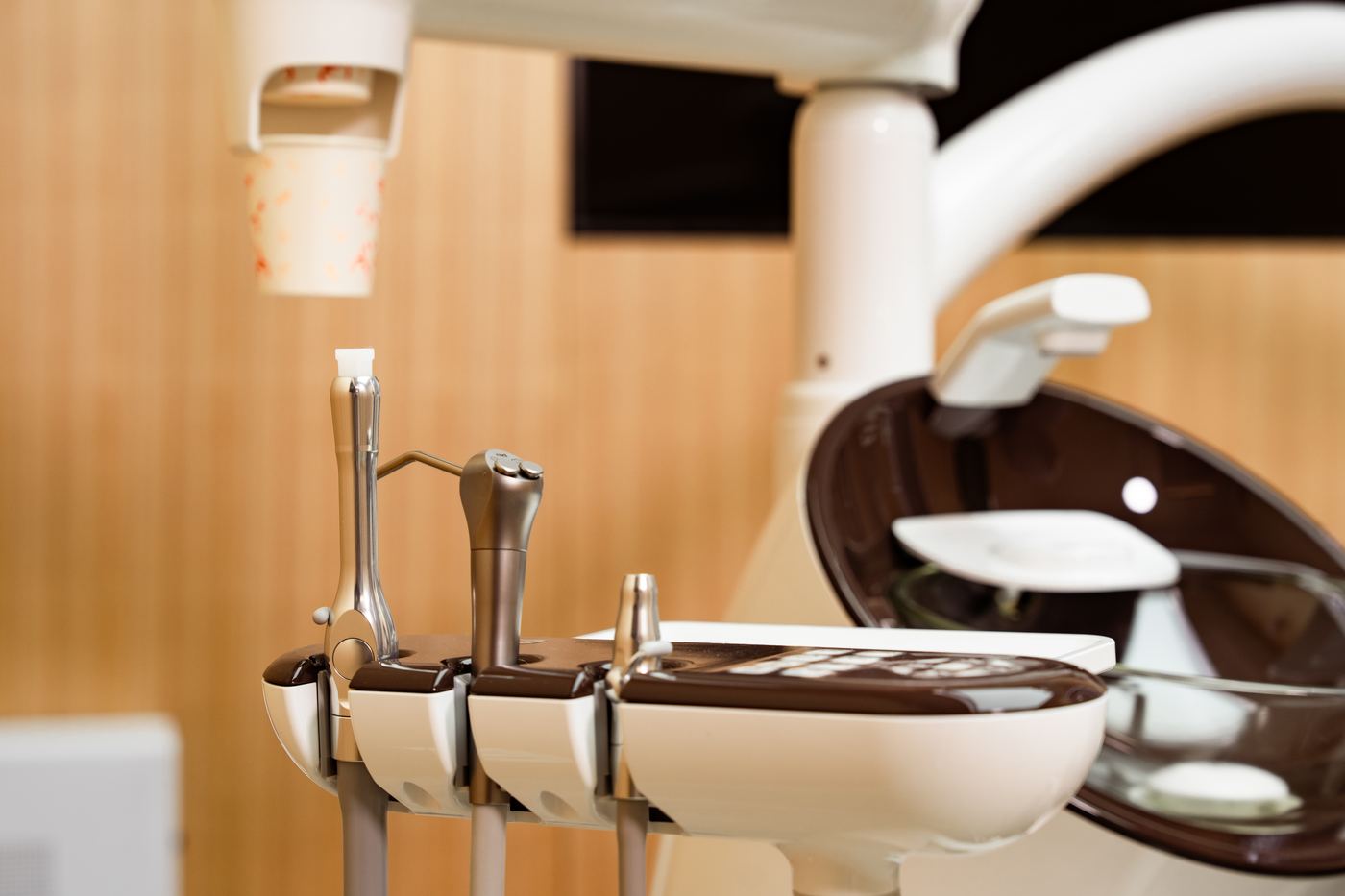
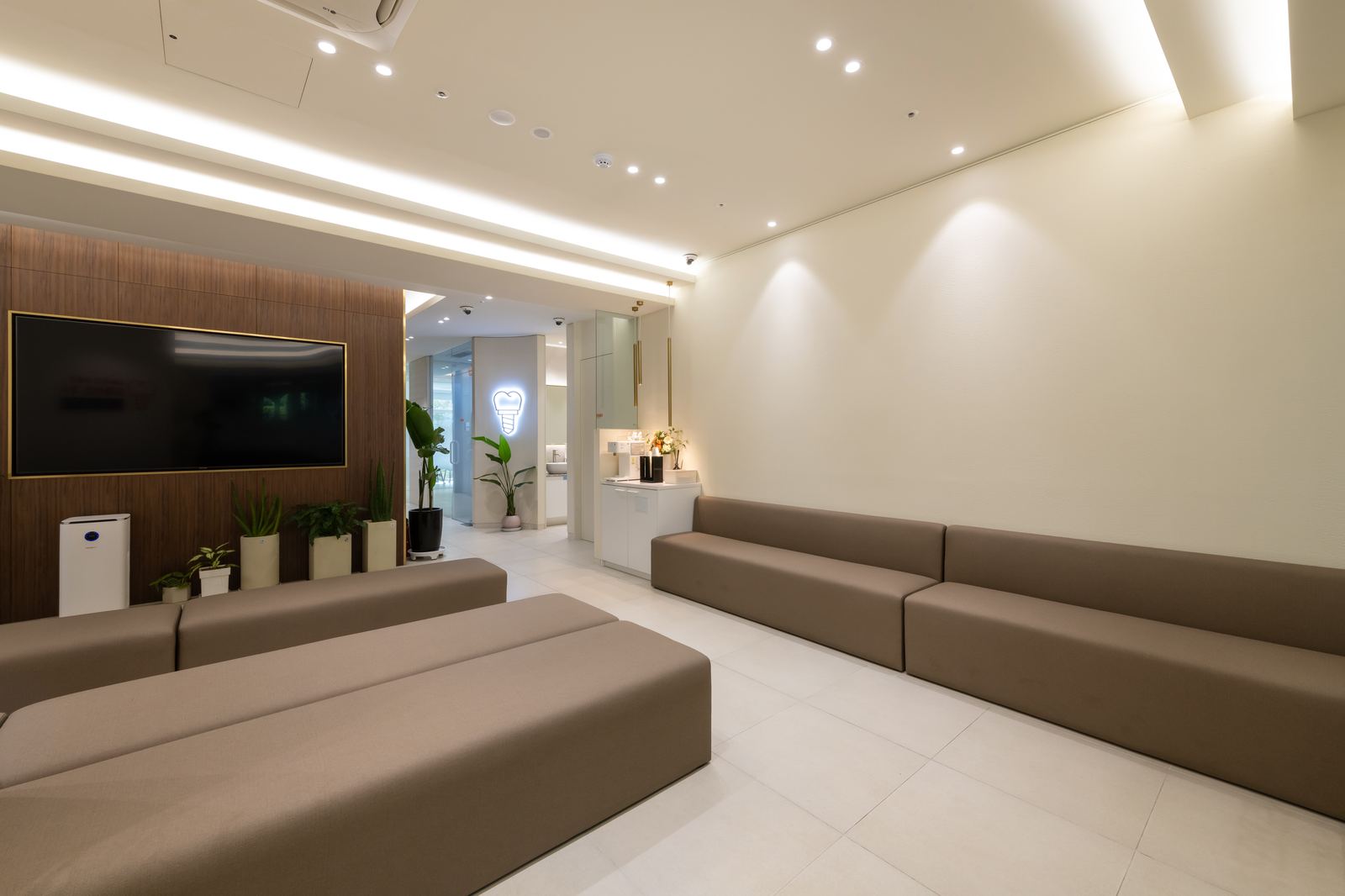
A look inside Heal Dental Hospital
Frequently asked questions
What is the difference between a dental hospital and a dental clinic in Korea?
Both provide dental care, but they are different facility classifications under Korea's Medical Service Act. A dental hospital (치과병원) is a classification granted only to facilities that meet stricter facility and staffing requirements than a dental clinic (치과의원).
How many dental hospitals are there in Korea?
According to the Dental Policy Research Institute's 2024 Korea Dental Care Yearbook (published December 19, 2025), 241 of Korea's 19,383 dental facilities are dental hospitals — about 1.24%.
What facilities and staff does Heal Dental Hospital have?
A multidisciplinary team of specialists in oral & maxillofacial surgery, conservative dentistry, prosthodontics, and periodontics; dedicated interpretation coordinators at the International Healthcare Center; a separate, dedicated operating room with emergency equipment including a defibrillator; and precision diagnostic equipment including 3D CT and an intraoral scanner.
Is interpretation support available for patients coming from abroad?
Yes. Dedicated interpretation coordinators at the International Healthcare Center support consultations, treatment explanations, and informed consent.
Does treatment at a dental hospital guarantee results?
No. Facility classification concerns facility and staffing standards. Treatment outcomes and recovery vary by each patient's oral condition, and a treatment plan is provided after examination.
Why hospital-level care matters for patients abroad
If you need complex treatment and clear communication matters to you, it's worth considering a dental hospital that meets Korea's legal hospital-designation standard — a bar that only about 1.24% of Korean dental facilities currently meet.
* Treatment outcomes vary by individual oral condition. This article describes facility classification standards generally and does not guarantee the outcome of any specific procedure.