Seoul's Trusted Dental Destination for International Patients
Premium dental implants and porcelain veneers by internationally recognized specialists — with complete concierge support designed for patients traveling from abroad.
세계적으로 인정받은 전문의가 시행하는 프리미엄 임플란트 및 도자기 비니어 — 해외에서 방문하시는 환자분들을 위한 완벽한 컨시어지 서비스와 함께.
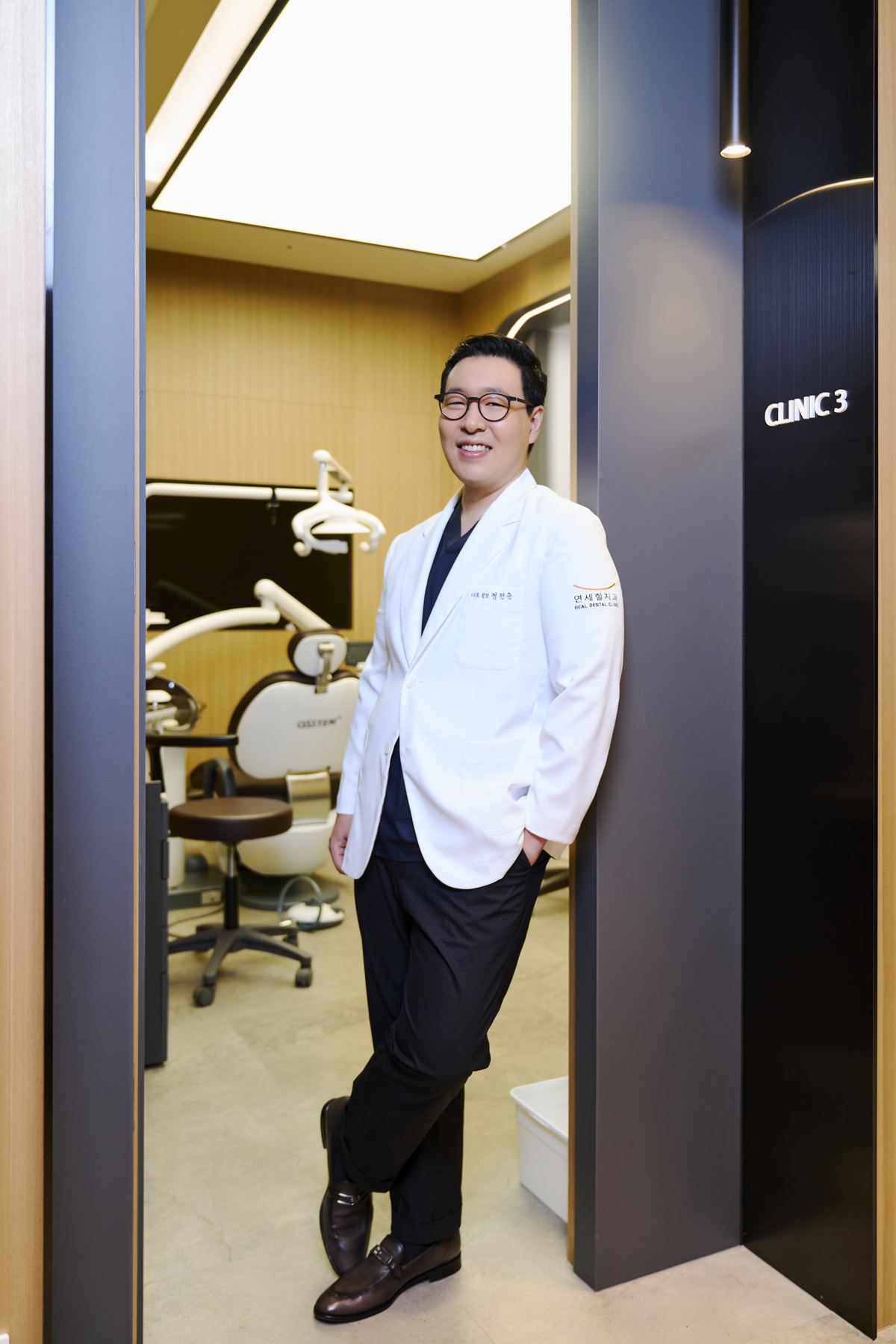
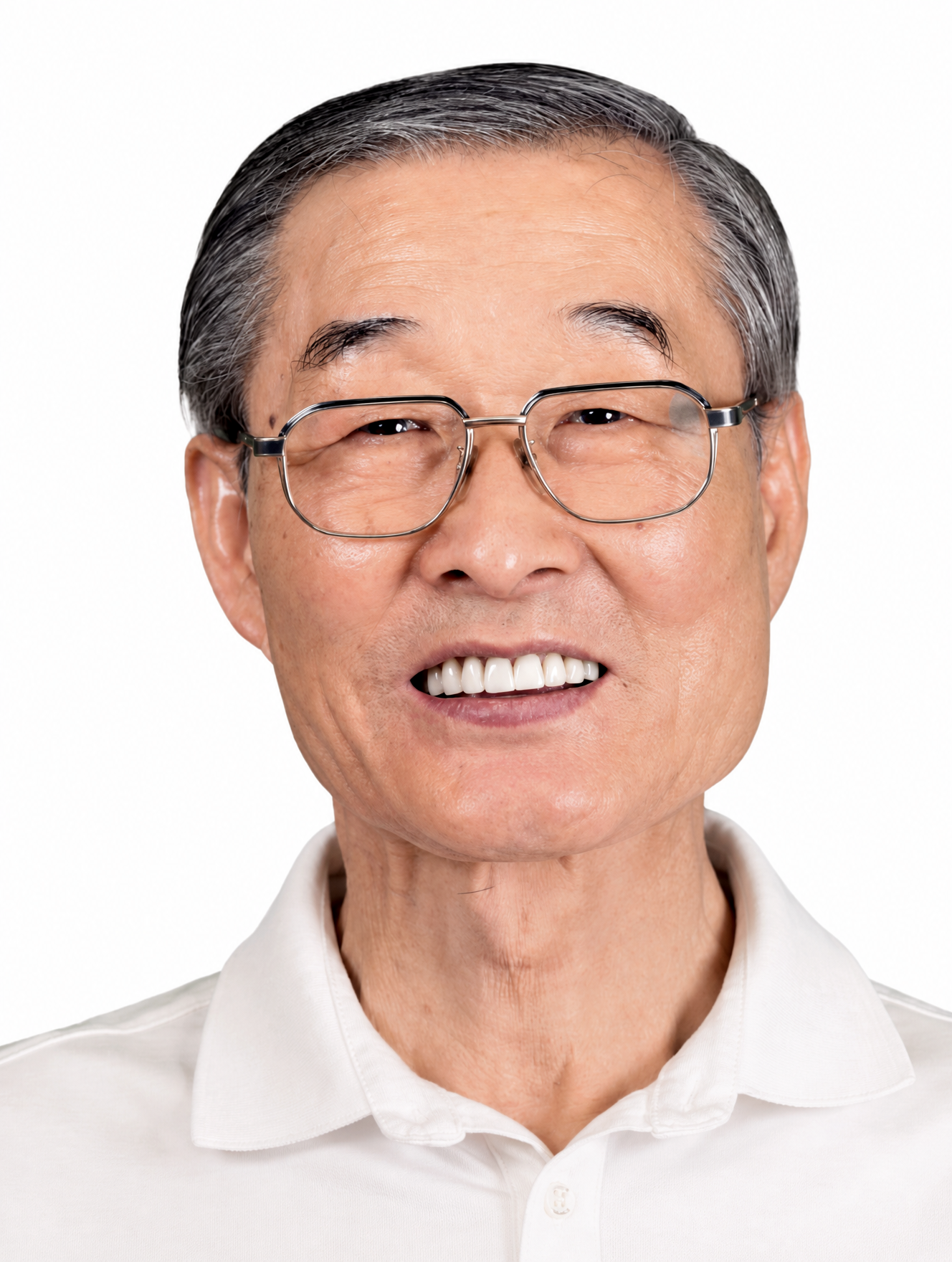
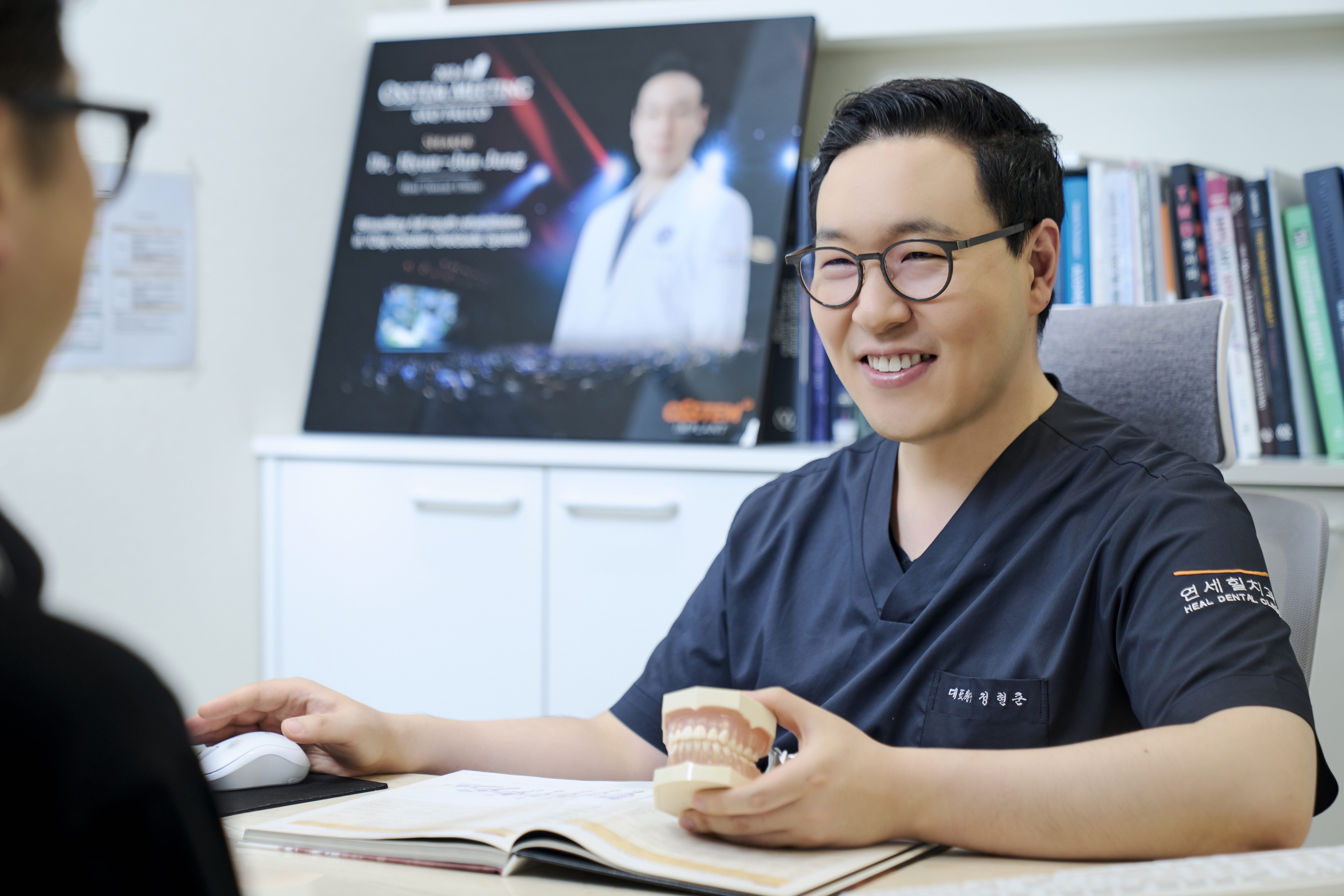
D.D.S. — Yonsei University · Clinical Director & Implantology Specialist
치과학 박사 — 연세대학교 · 임플란트 및 종합치과 전문의
Dr. HyunJun Jeong graduated from Yonsei University College of Dentistry — one of Korea's most prestigious dental institutions — and has built an internationally recognized career spanning implantology, cosmetic dentistry, and public health leadership. He has served as an adjunct professor at Ewha Womans University Mokdong Hospital and held director-level roles in three major national dental & public health organizations. His clinic has been the trusted choice of overseas patients for over 13 years.
정현준 원장은 연세대학교 치과대학을 졸업 후 이화여자대학교 목동병원 치과진료부 외래교수로 활동하며 국내외에서 인정받는 임상 경력을 쌓아왔습니다. 대한공중보건의사협의회 보건복지부 대표 및 대외협력·정보통신이사, 대한의사협회 국민의학지식향상위원회 위원을 역임하였으며, 오스템 임플란트 마스터코스 임상지도의로 활동하였습니다. 13년 이상 해외 환자들의 신뢰를 받아온 클리닉을 이끌고 있습니다.
"Your smile means everything to us. We deliver patient-centered care — with the precision of a specialist and the warmth of a trusted neighbor."
"환자의 미소가 저희에게는 전부입니다. 전문의의 정밀함과 이웃 같은 따뜻함으로, 환자 중심의 진료를 실천합니다."
Six pillars that set our standard of care apart — and keep patients coming back from across the globe. Heal Dental Clinic이 전 세계 환자들로부터 신뢰받는 6가지 이유
Every patient receives a complete CT/panoramic assessment and a custom treatment plan — no shortcuts. CT/파노라마 분석을 통한 개인 맞춤 치료 계획을 수립합니다.
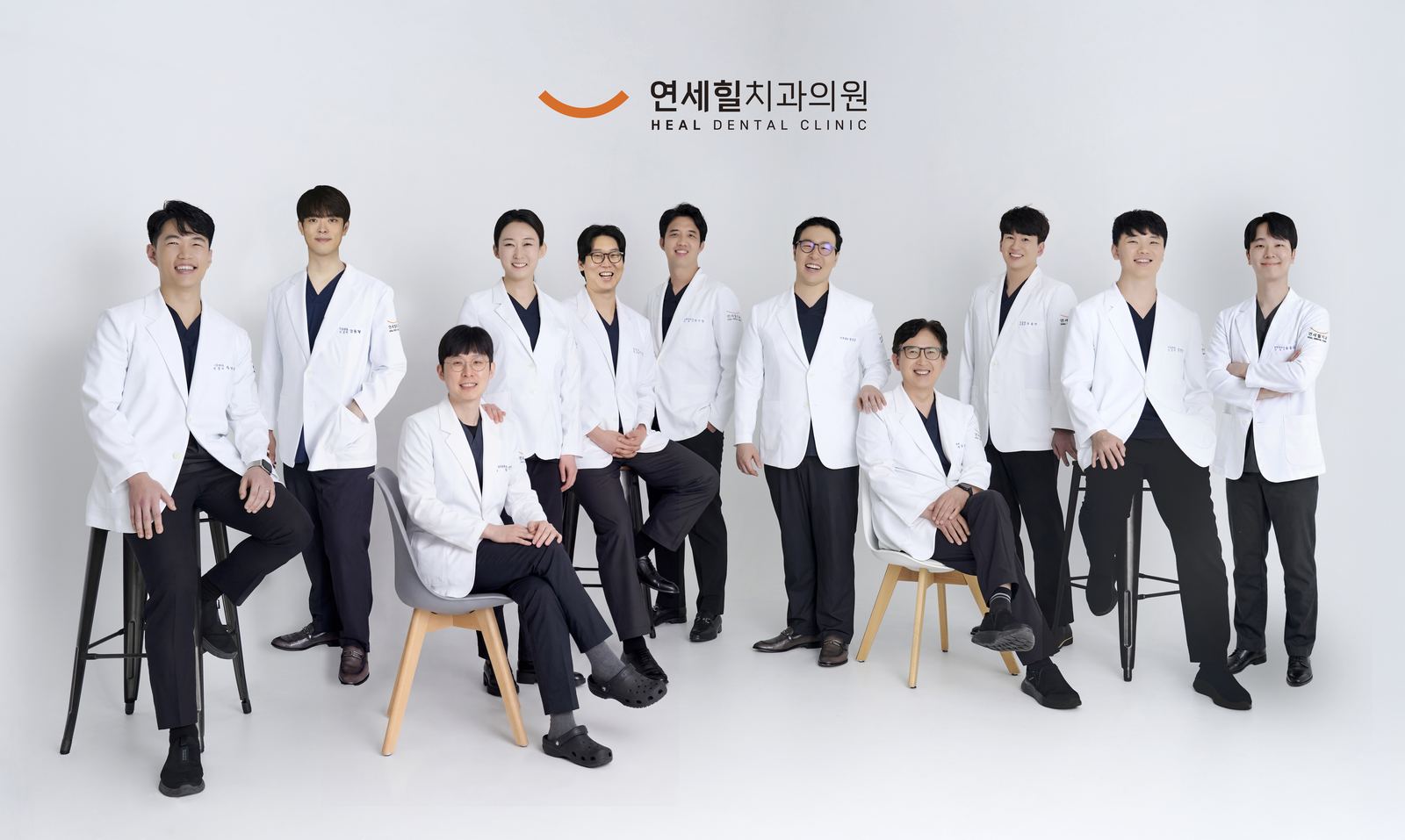
An integrated care system at university hospital level — led by a government-certified specialist team with Chief Director Dr. Jeong as an active international Osstem Live Surgery lecturer. 대학병원 수준의 통합 진료 시스템. 보건복지부 인증 전문의 11명이 협력하며, 오스템 라이브 서저리 국제 연자인 정현준 원장이 이끌고 있습니다.
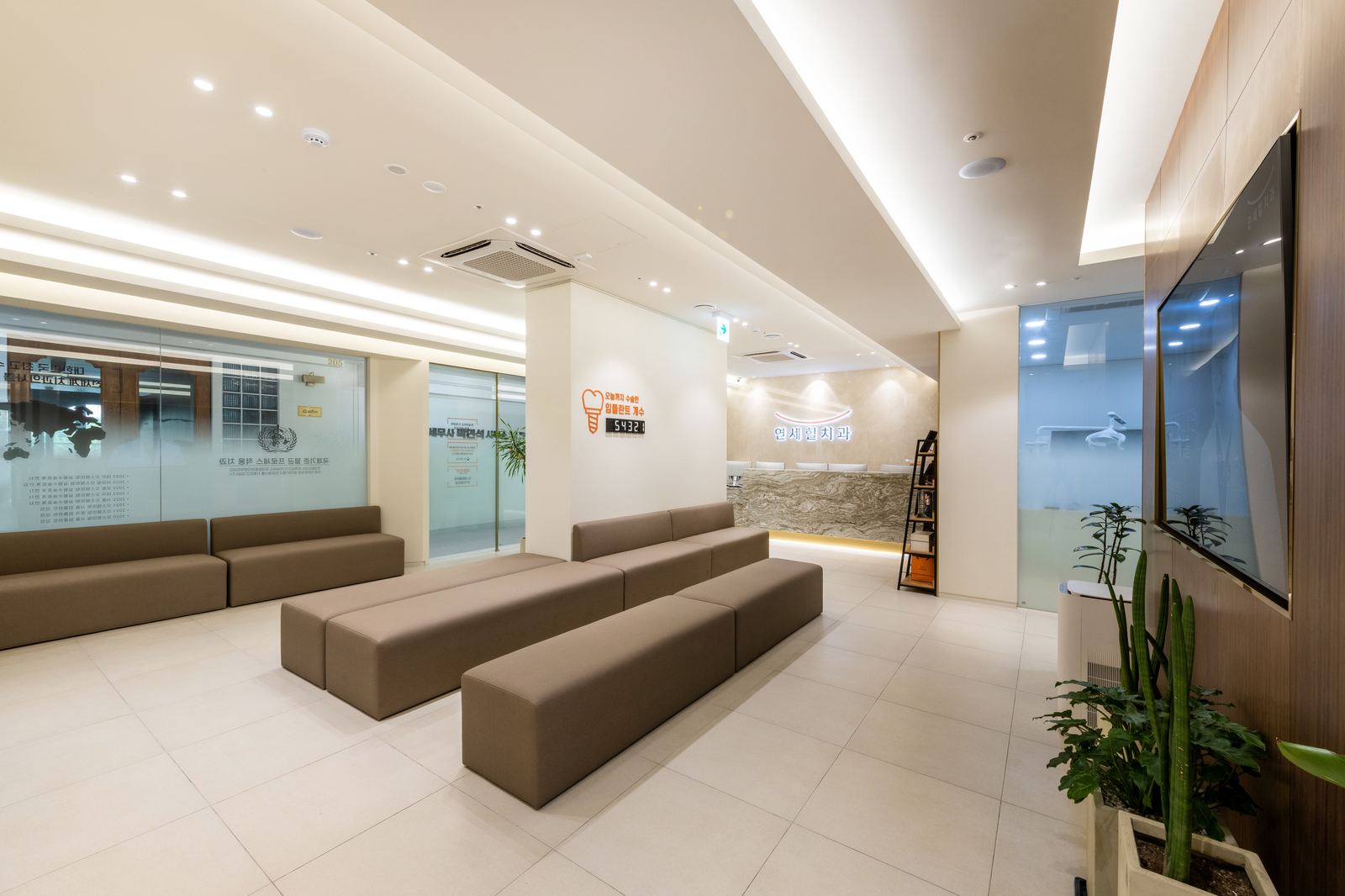
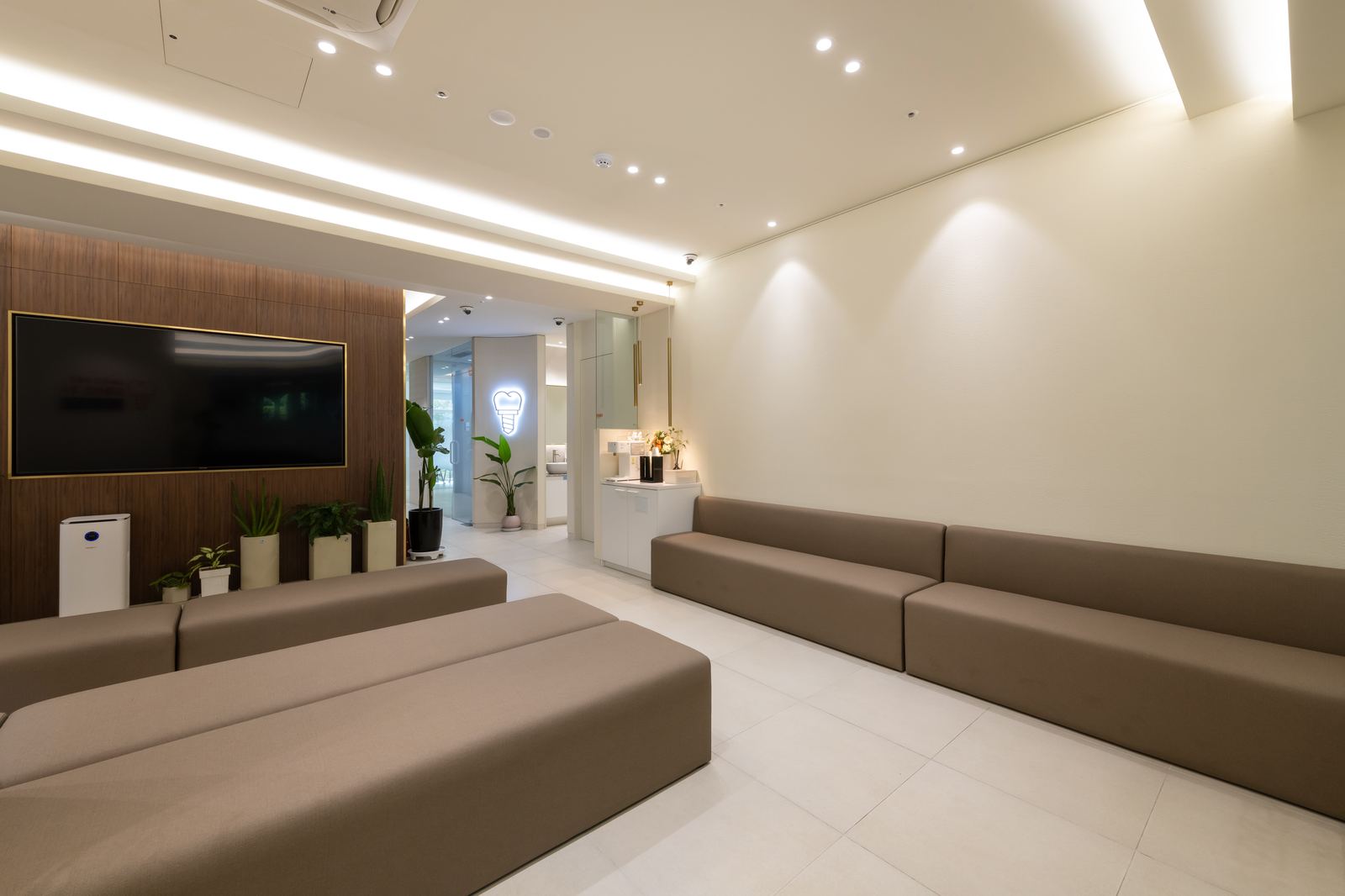
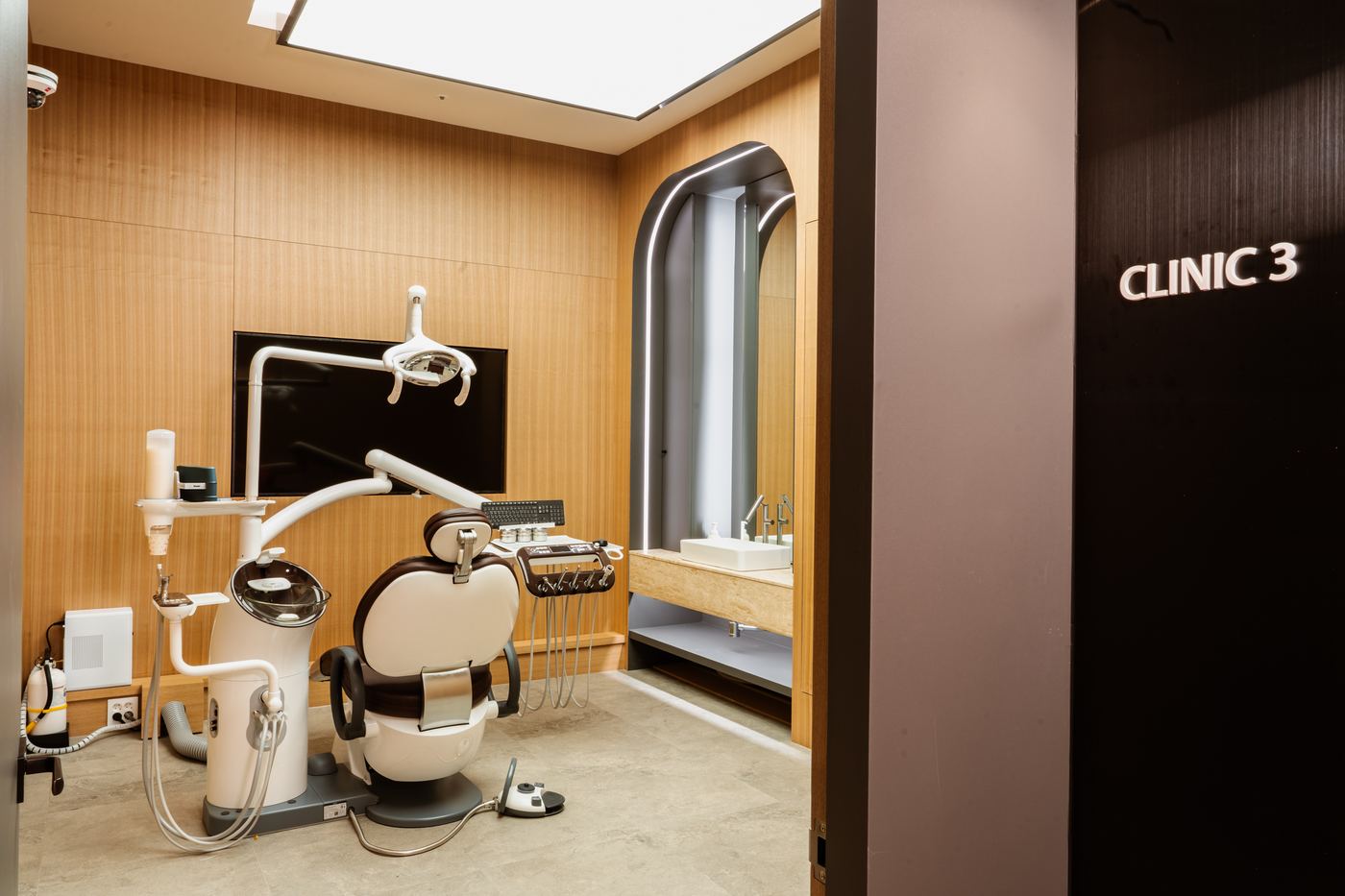
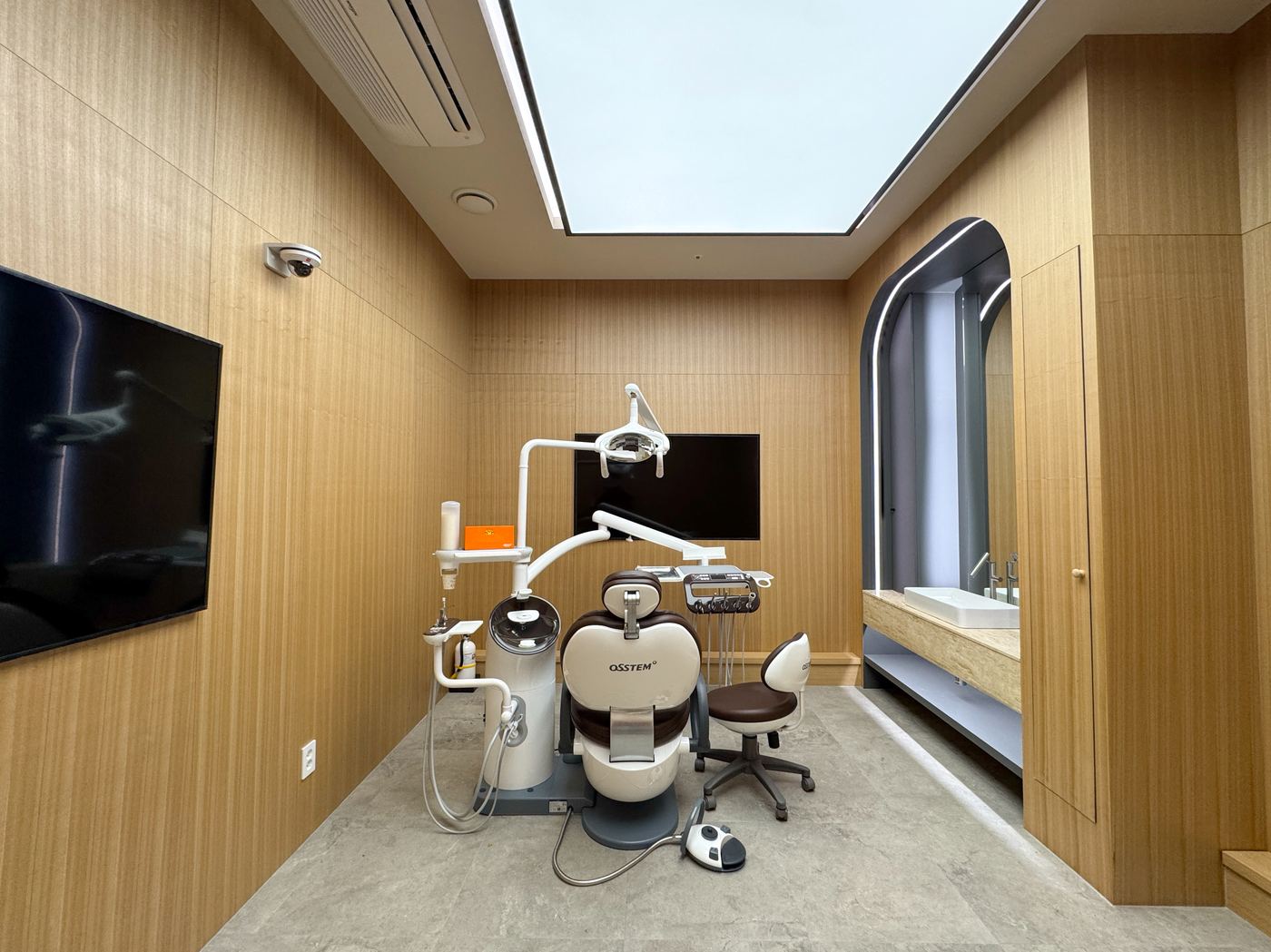
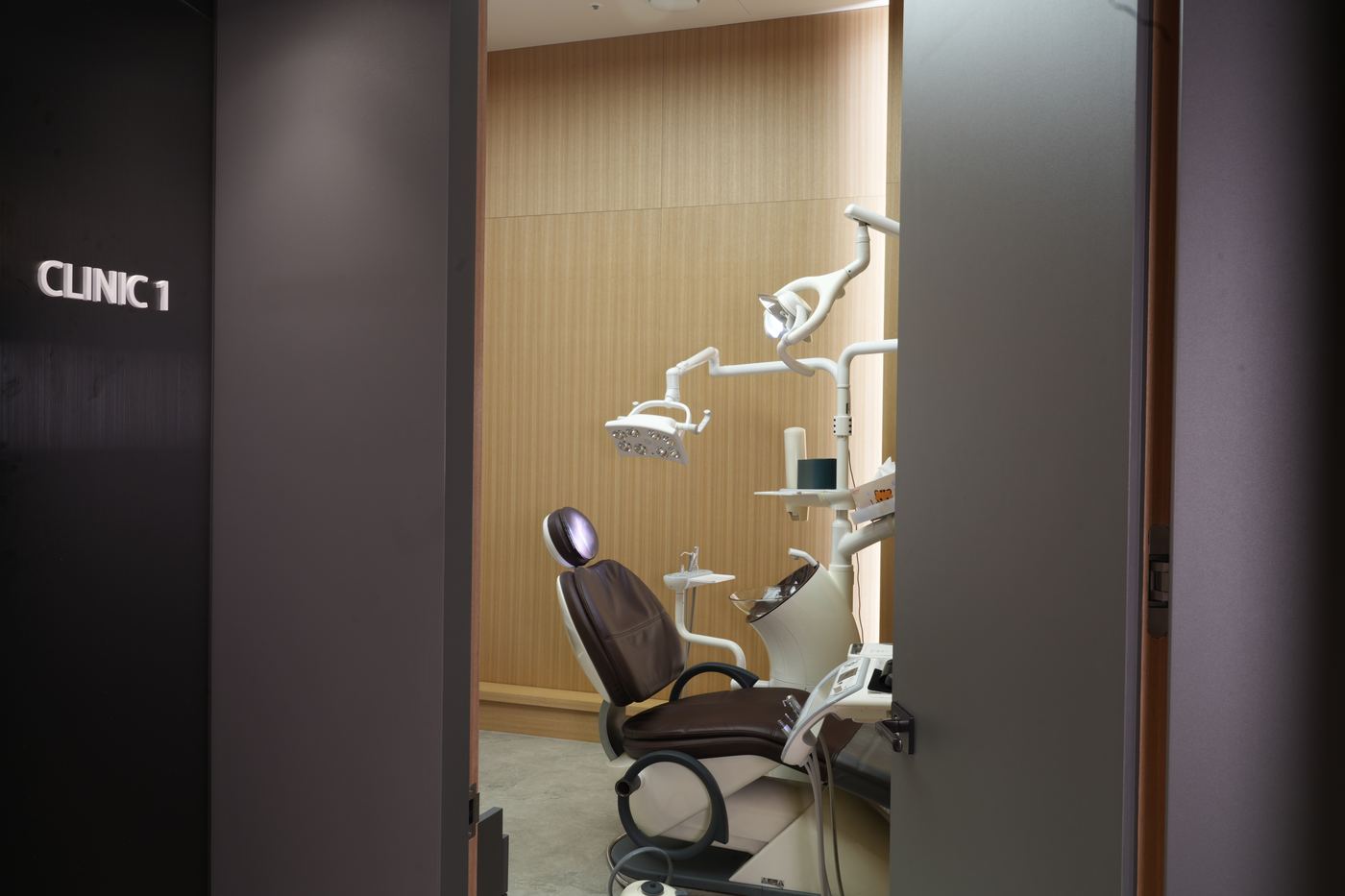
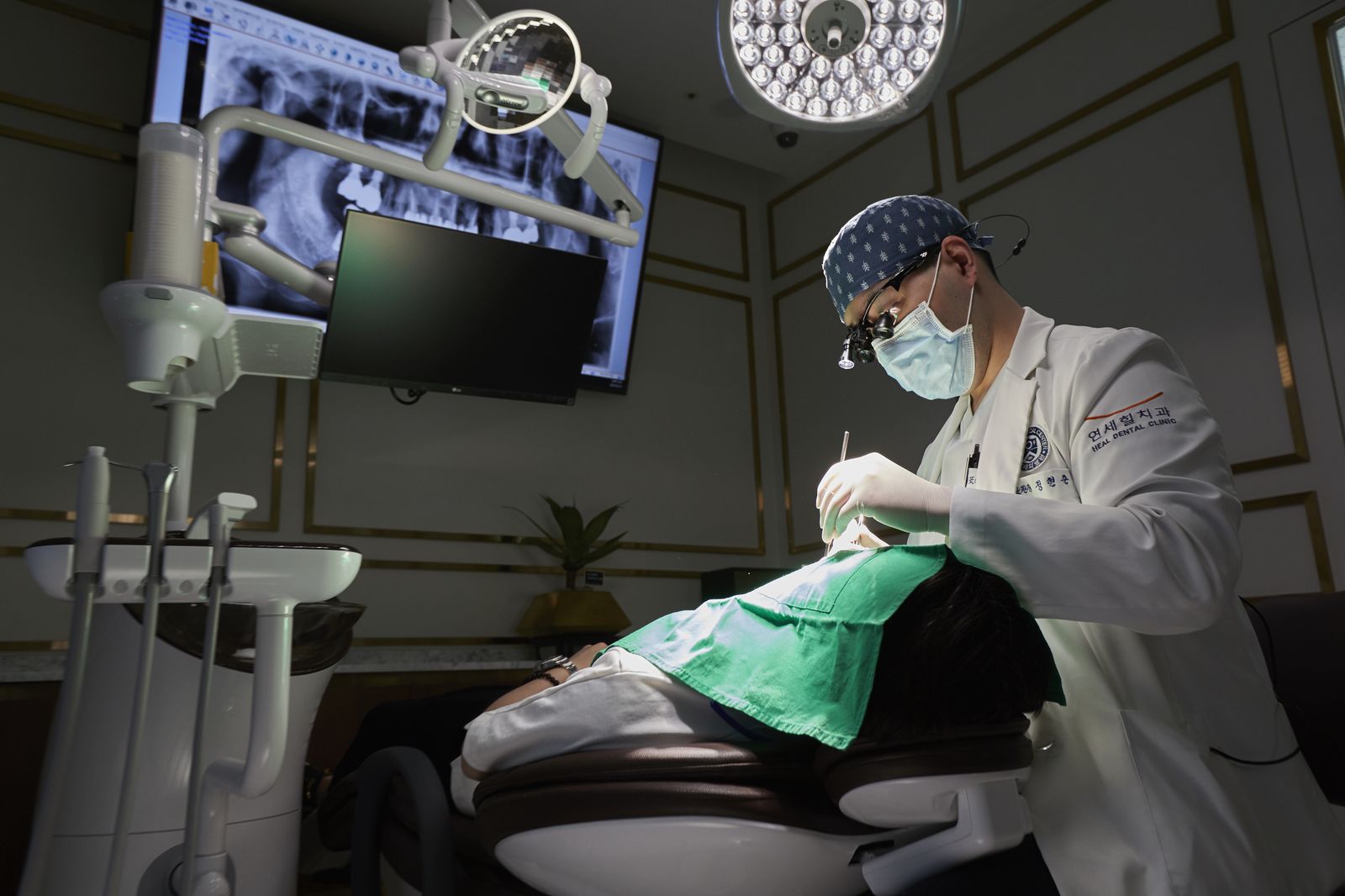
Each patient has a fully private room — your comfort and confidentiality are guaranteed. 모든 환자분이 독립된 진료실에서 편안하고 프라이빗하게 진료받으실 수 있습니다.
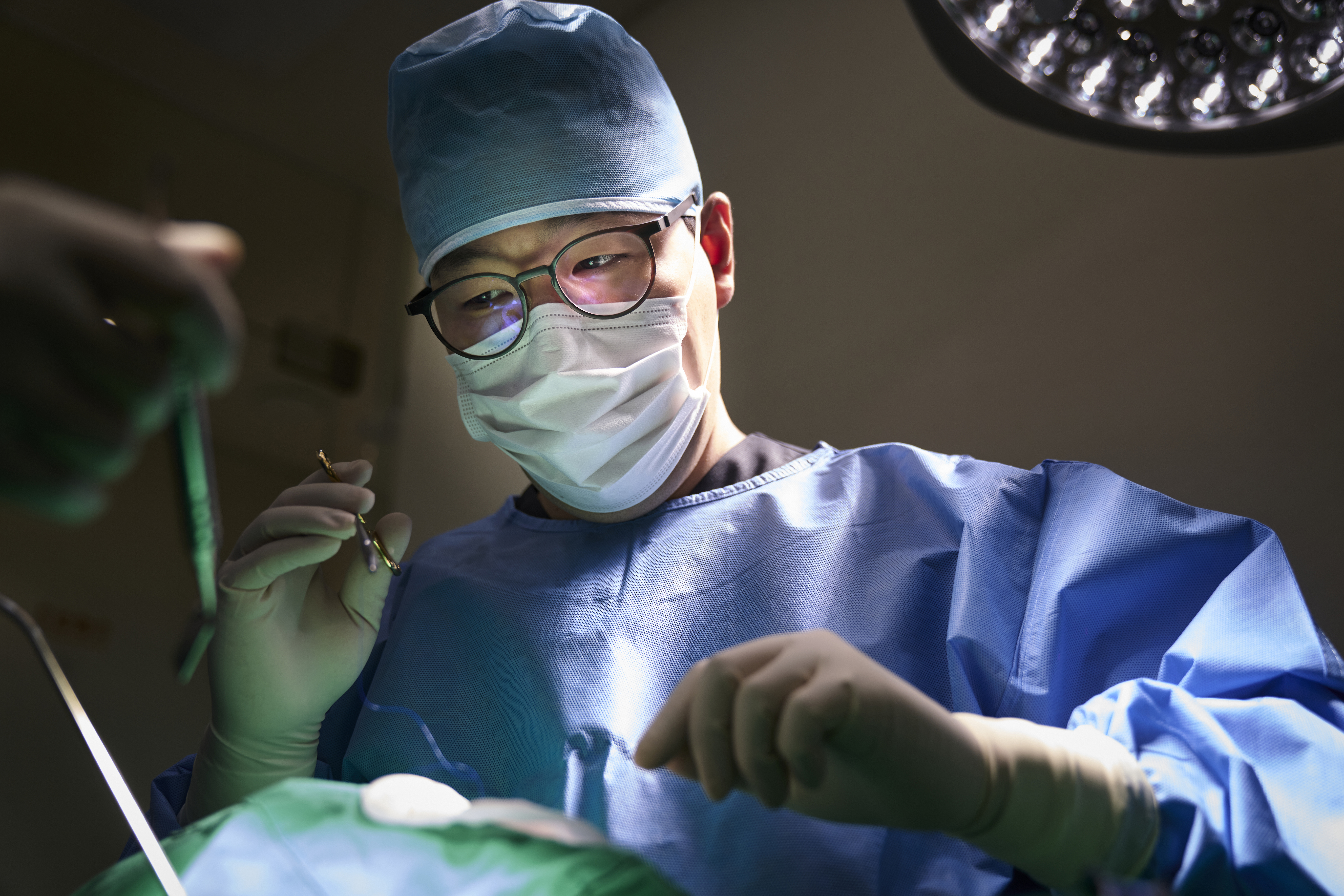
A fully equipped surgical suite with hospital-grade imaging and instruments for precision procedures. 최신 의료장비를 갖춘 전문 수술실에서 안전하고 정확한 시술을 진행합니다.
Sedation keeps you completely relaxed — and allows our specialists to work more efficiently, completing treatment faster in fewer visits. 수면 마취로 긴장 없이 편안하게, 전문의가 집중적으로 시술해 치료 시간을 단축하고 내원 횟수도 줄일 수 있습니다.
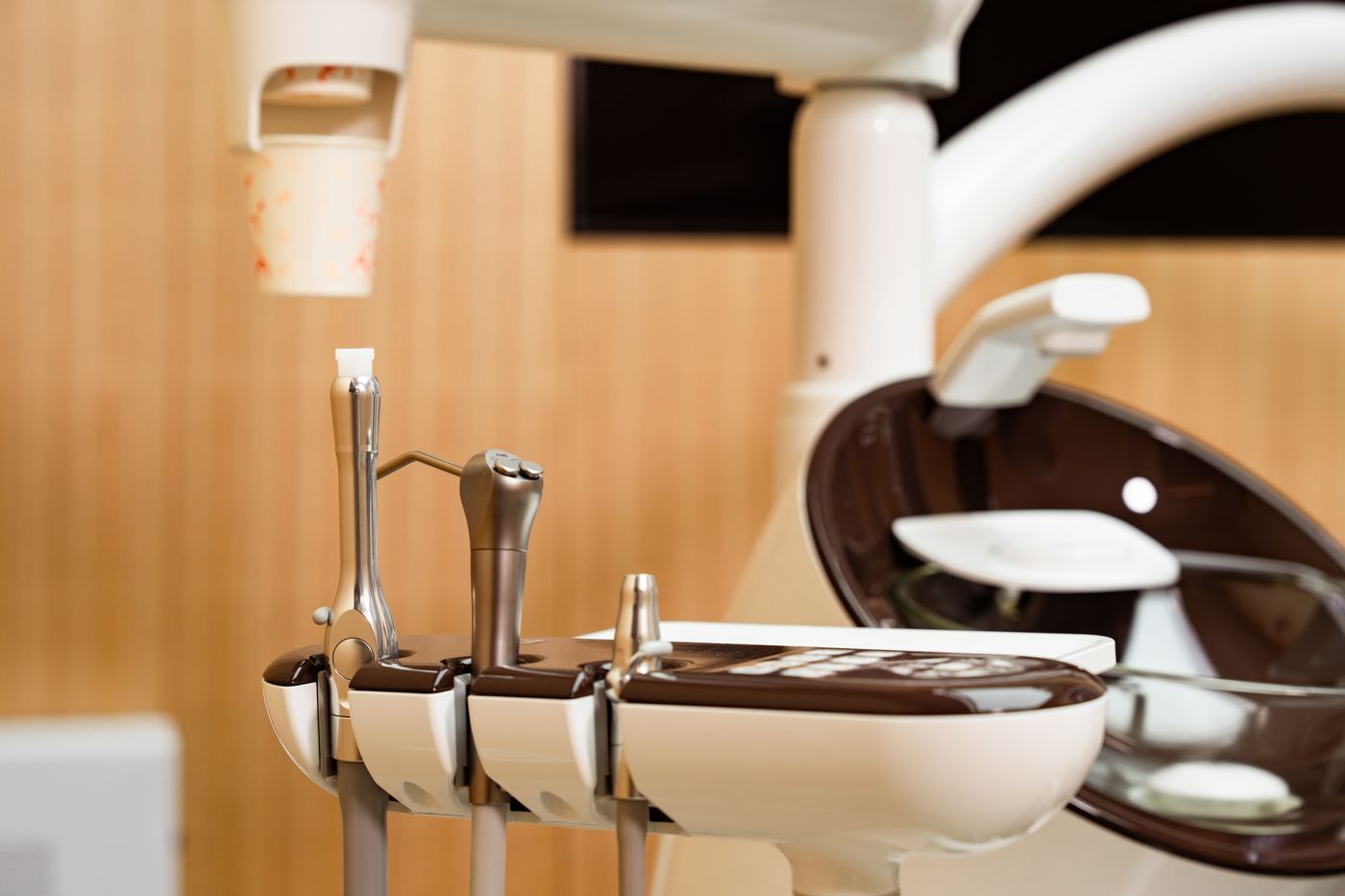
Every team member is a licensed dental hygienist. B-class sterilizers and individually sealed instruments protect your safety. 전 직원이 치위생사이며, B-class 멸균기와 개별 포장 기구로 감염을 철저히 방지합니다.
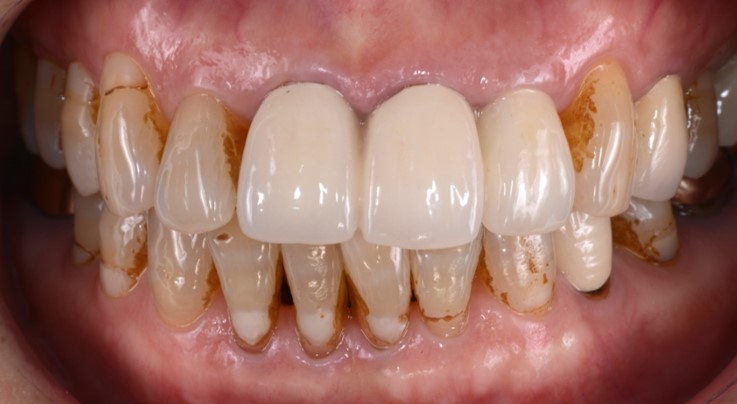
Dental implants are the permanent solution to tooth loss — restoring full function, natural aesthetics, and long-term oral health. Our clinic specializes in cases ranging from single implants to comprehensive full-arch restorations.
임플란트는 치아 상실에 대한 영구적인 해결책입니다 — 완전한 기능, 자연스러운 심미성, 그리고 장기적인 구강 건강을 회복시켜 드립니다.
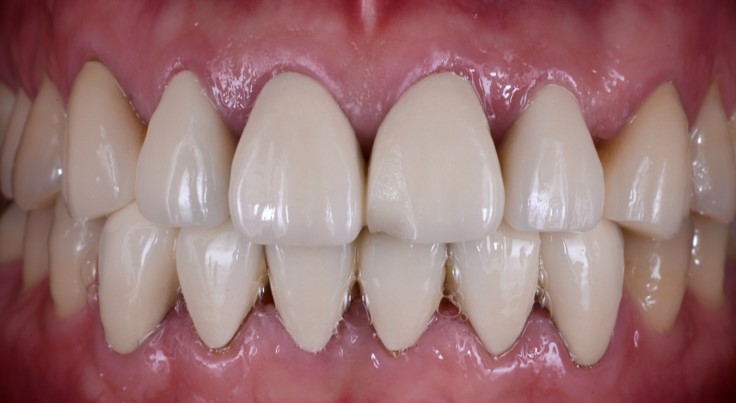
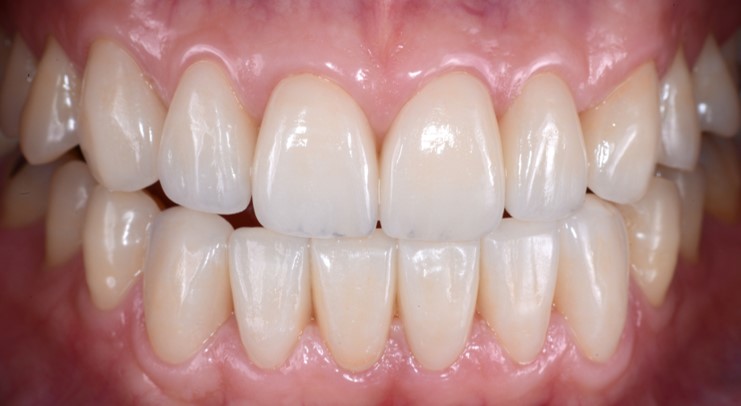
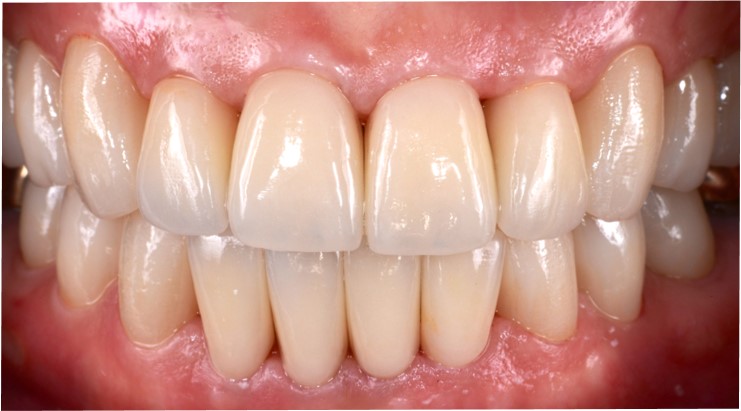
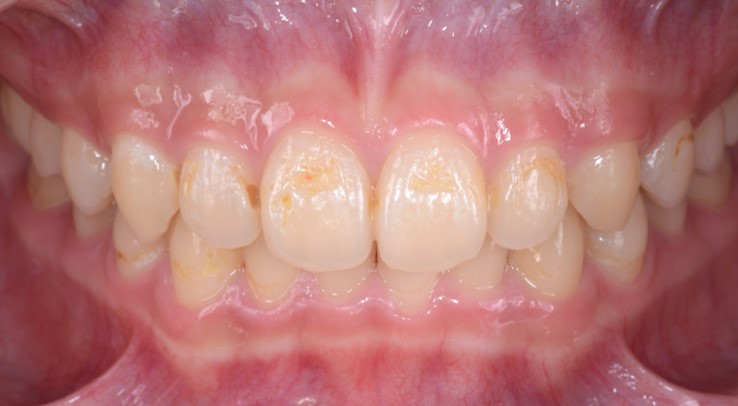
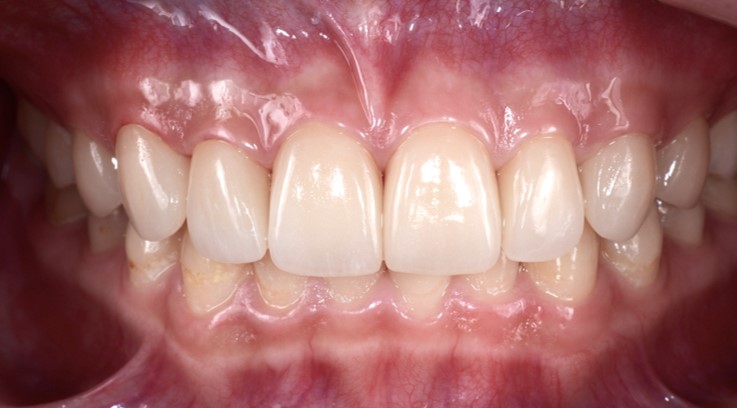
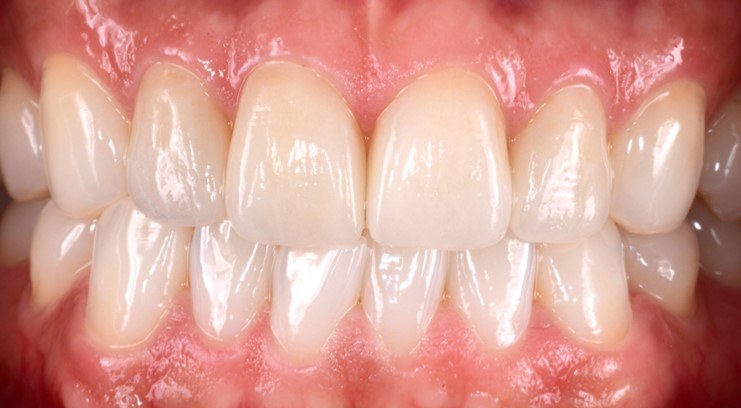
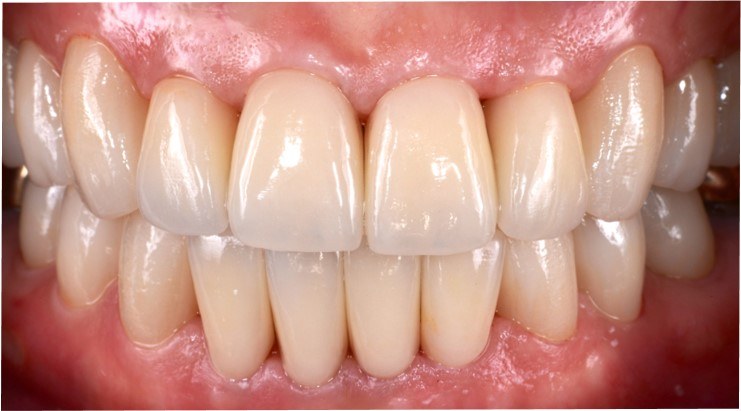
Porcelain veneers are ultra-thin, custom-crafted shells that transform the shape, color, and proportion of your teeth. A complete smile design is developed digitally — so you see your result before treatment begins.
Unlike the opaque, chalk-white look often associated with veneers, our approach prioritizes natural translucency — matching the tone and texture of your real teeth so your smile looks genuinely yours.
도자기 비니어는 치아의 형태, 색상, 비율을 완전히 변화시키는 초박형 맞춤 쉘입니다. 치료 전 디지털로 결과를 미리 확인하실 수 있습니다.
인공적으로 하얗고 불투명한 스타일이 아닌, 자연 치아의 투명감·색조·질감을 살려 진짜 내 치아처럼 자연스럽고 아름다운 미소를 완성합니다.
All treatments are performed by or under the direct supervision of Dr. Jung Hyun Jun · Yonsei University College of Dentistry 모든 치료는 정현준 원장 (연세대학교 치과대학)이 직접 시술하거나 직접 감독 하에 진행됩니다.
All prices listed in USD. Prices are approximate and subject to final assessment at consultation. Individual treatment plans may vary.
모든 가격은 USD 기준입니다. 가격은 상담 후 최종 확정되며 개인 치료 계획에 따라 달라질 수 있습니다.
* Prices are listed in USD for reference. Final treatment costs are determined after clinical examination and individual assessment. Additional procedures may apply. All treatments are performed by licensed dental specialists at Heal Dental Clinic, Seoul. * 모든 가격은 참고용 USD 기준이며, 최종 치료 비용은 임상 검진 및 개인 평가 후 확정됩니다. 추가 시술이 필요할 수 있습니다. 모든 치료는 힐덴탈 클리닉 서울의 면허 치과 전문의가 시행합니다.
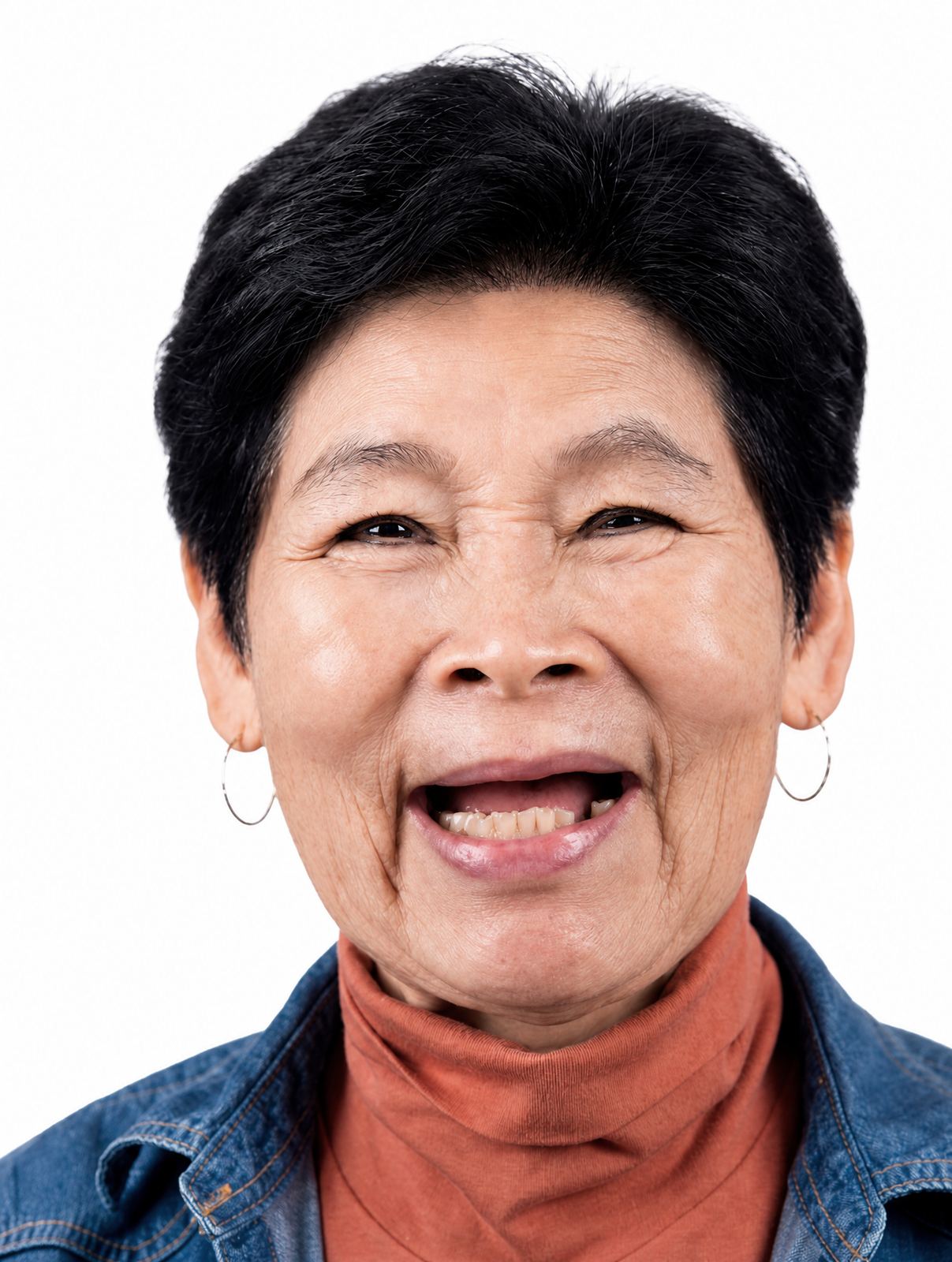
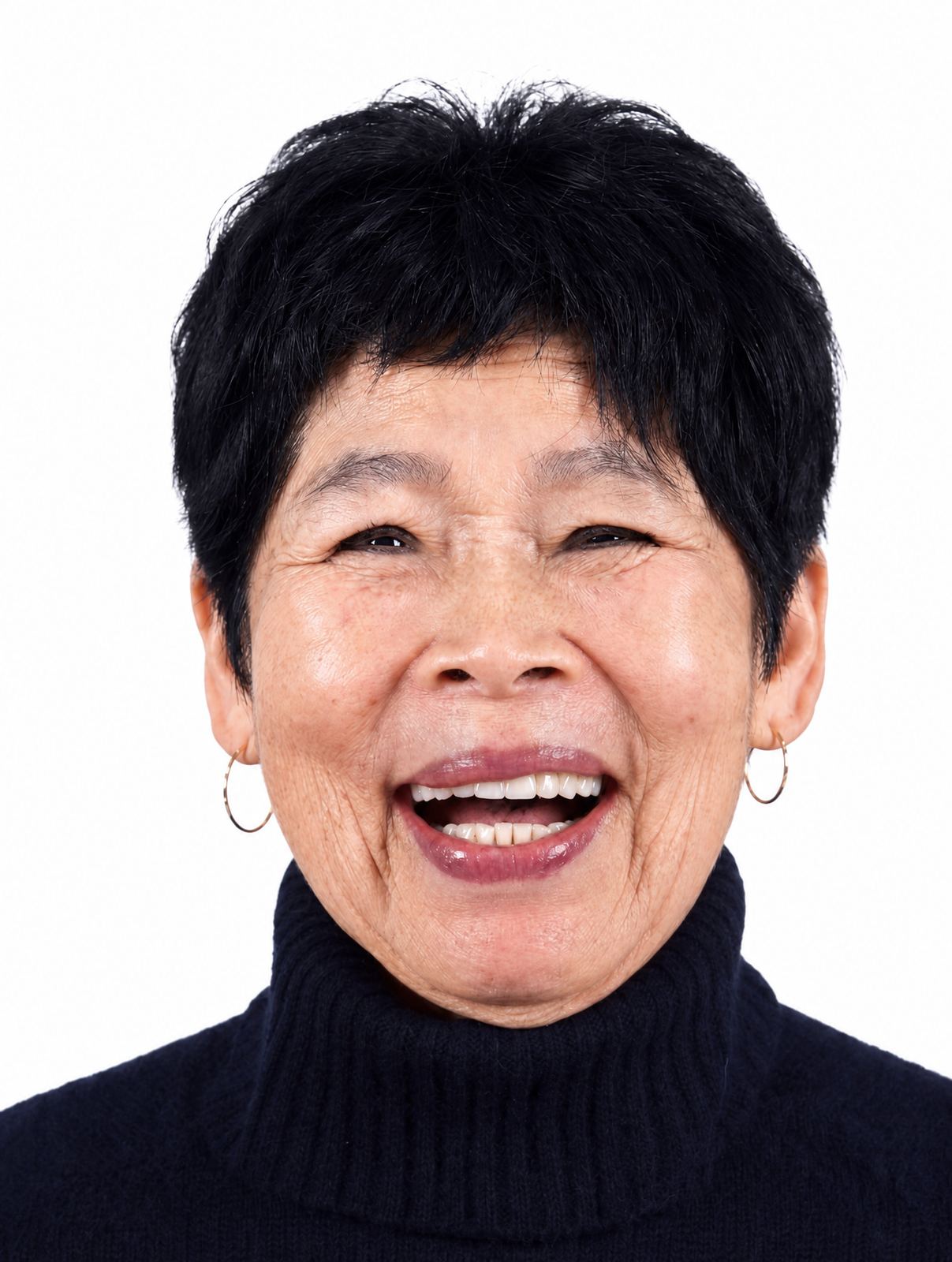
Results shown are individual cases. Individual outcomes vary.
표시된 결과는 개별 케이스입니다. 개인별 결과는 다를 수 있습니다.
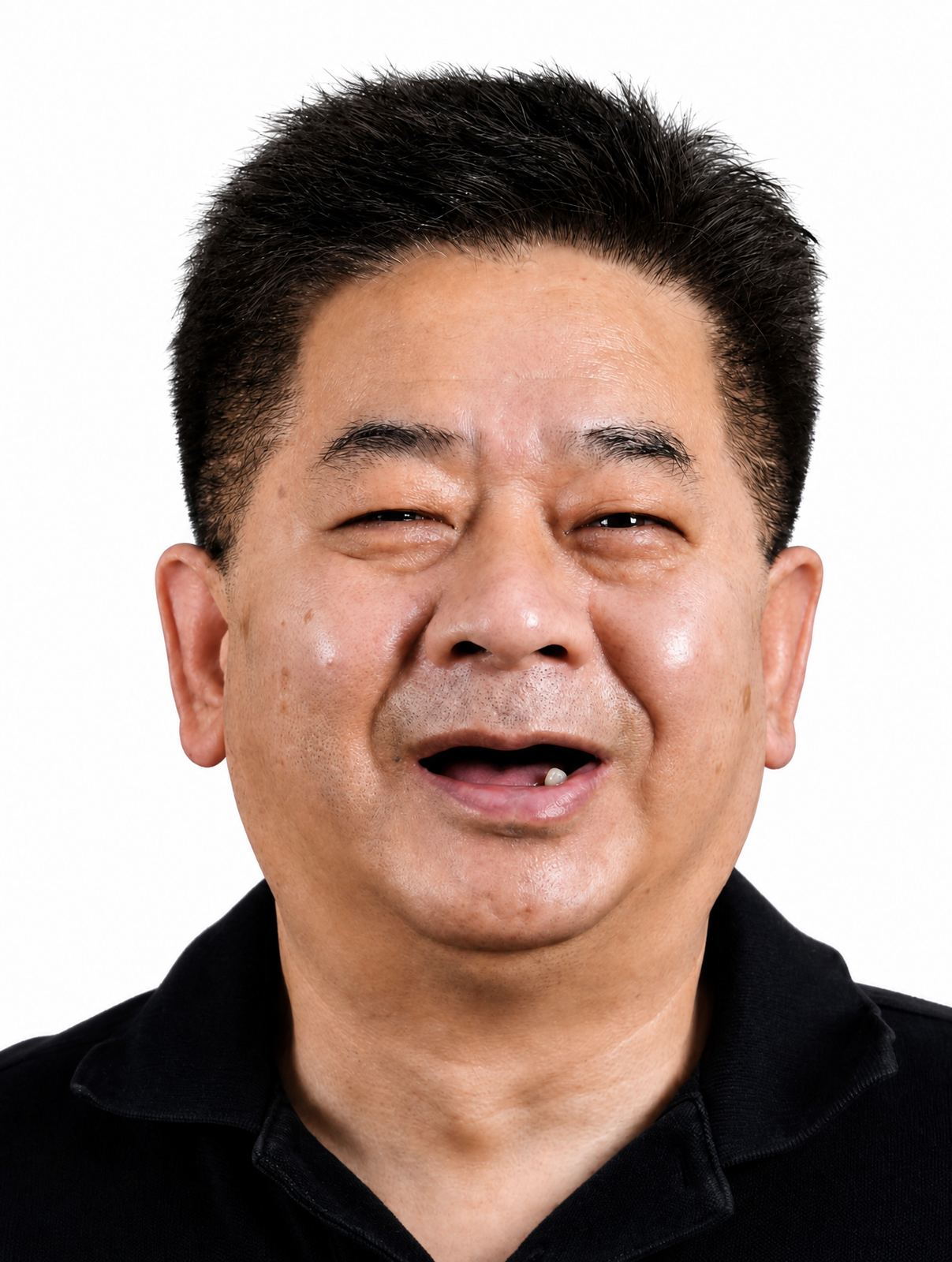
Results shown are individual cases. Individual outcomes vary.
표시된 결과는 개별 케이스입니다. 개인별 결과는 다를 수 있습니다.
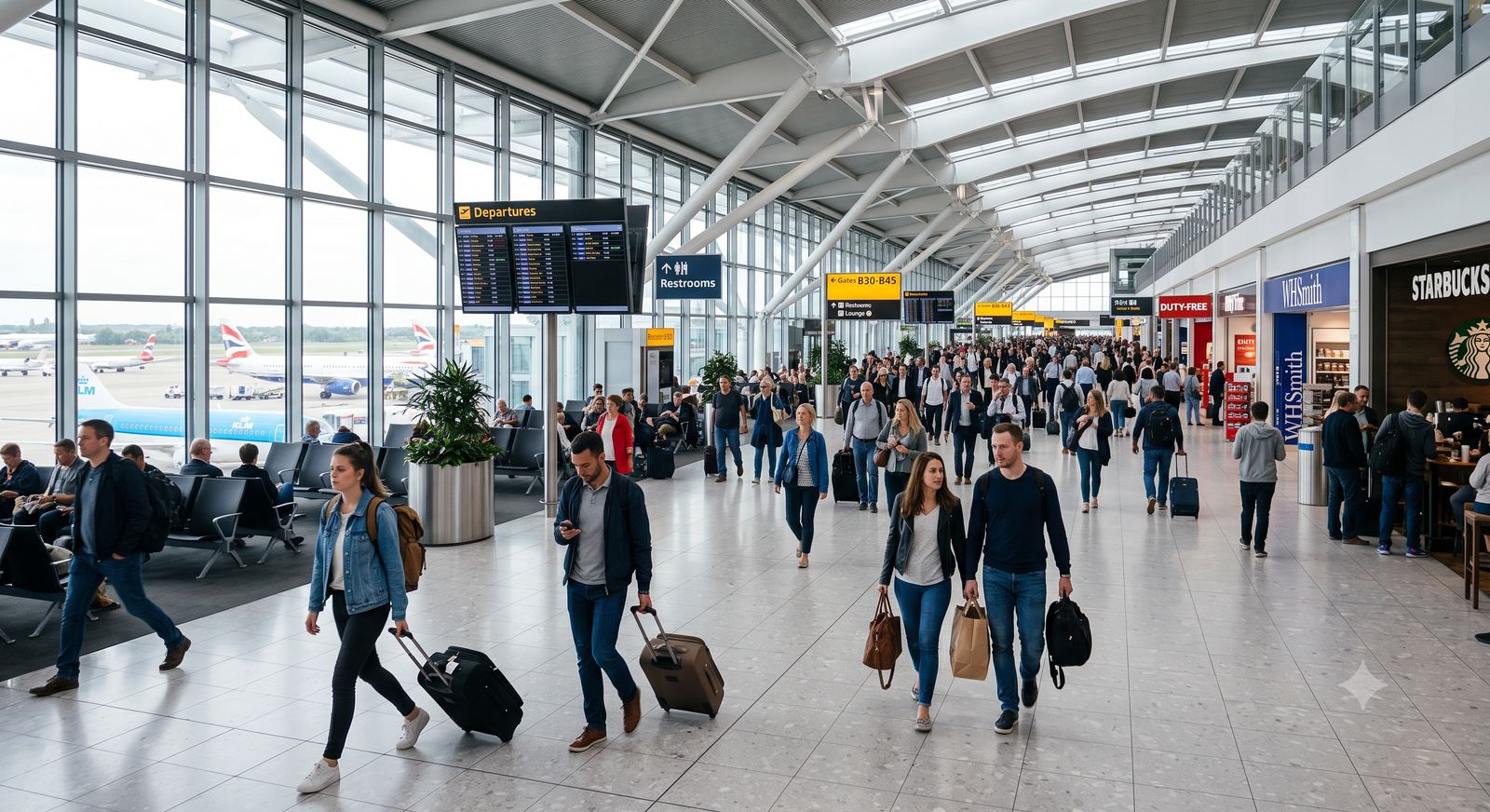
Traveling internationally for dental care should feel seamless, not stressful. Our dedicated concierge team coordinates every detail for overseas patients.
해외에서 치과 치료를 위해 여행하는 것은 번거롭지 않고 seamless하게 느껴져야 합니다. 저희 전담 컨시어지 팀이 해외 환자분들을 위한 모든 세부 사항을 조율합니다.
✈ Gimpo Airport (GMP): 4 subway stops · ~15 min direct to clinic ✈ 김포공항 (GMP): 지하철 4정거장 · 클리닉까지 직통 약 15분
✈ Via Gimpo Airport (GMP): Line 5 direct — only 4 stops, ~15 min to clinic. ✈ 김포공항 (GMP) 경유: 5호선 직접 연결 — 4정거장, 클리닉까지 약 15분.
A single dental implant in the U.S. typically costs $3,000–$6,000 — and insurance rarely covers it. In Seoul, the same procedure at a specialist clinic often runs significantly lower, with globally distributed implant systems available. We break down exactly where the price difference comes from and what it means for the quality of your care.
미국에서 단일 임플란트는 보통 $3,000–$6,000이며, 보험은 대부분 적용되지 않습니다. 서울의 전문 클리닉에서는 세계 최고 임플란트 시스템으로 훨씬 저렴하게 시술 받을 수 있습니다. 가격 차이가 어디서 오는지, 그리고 치료 품질에 어떤 의미인지 상세히 분석합니다.
Read Article 기사 읽기
Quality veneers with proper care typically last 10–20 years. Here's what actually matters — and the right questions to ask your dentist.
제대로 관리한 고품질 비니어는 10~20년 유지됩니다. 실제로 중요한 요소와 치과에 꼭 물어봐야 할 질문들.
Read Article → 기사 읽기 →
First-time patient traveling from the U.S.? This guide covers everything — from CT scan prep to post-surgery recovery in Seoul.
미국에서 처음 방문하시나요? CT 준비부터 서울 체류 중 회복 관리까지 전체 가이드.
Read Article → 기사 읽기 →
Behind the OECD rankings, the implant research, and the case volume — the real story of how Korean dentistry earned its global reputation.
OECD 순위, 임플란트 연구, 케이스 수 뒤에 있는 한국 치과의 세계적 명성의 진짜 이유.
Read Article → 기사 읽기 →Have a question about your specific dental situation? Our international coordinator responds within 48 hours.
귀하의 치과 상황에 대한 질문이 있으신가요? 국제 환자 코디네이터가 48시간 이내에 답변 드립니다.
Ask Our Specialist전문의에게 문의하기Yonsei University Graduate · Osstem Implant Master Instructor · English subtitles available
연세대학교 치과대학 졸업 · 오스템 임플란트 마스터코스 임상지도의
Every concern is valid. Here are the questions we hear most from patients traveling from North America and beyond.
모든 걱정은 당연합니다. 북미 등 해외에서 오시는 환자분들이 가장 많이 하시는 질문들입니다.
Ask Directly직접 문의하기Send us your dental photos and we will respond within 48 hours with a general assessment, cost estimate, and recommended next steps. No commitment required.
치아 사진을 보내주시면 48시간 이내에 일반적인 평가, 비용 견적, 권장 다음 단계로 답변 드립니다. 결정 없이도 가능합니다.
Email Us Now지금 이메일 보내기 Download Patient Guide환자 가이드 다운로드
By contacting us, you consent to the use of your communication for the purposes of responding to your inquiry. We do not share personal information with third parties. Initial contact does not establish a doctor-patient relationship. Treatment planning and formal diagnosis require an in-person clinical evaluation.
저희에게 연락함으로써 귀하는 문의에 답변하기 위한 목적으로 통신 사용에 동의합니다. 개인 정보는 제3자와 공유하지 않습니다. 초기 연락은 의사-환자 관계를 설정하지 않습니다. 치료 계획 및 공식 진단은 대면 임상 평가가 필요합니다.
Porcelain veneers are not complicated. They are thin ceramic shells — typically 0.5 to 0.7 millimeters — bonded to the front surface of your teeth. Done well, they are one of the most conservative, durable, and aesthetically reliable procedures in cosmetic dentistry. Done poorly, they fail. The problem is that most patients have no framework for telling the difference before treatment begins.
Here is the framework.
A 2023 systematic review published in the Journal of Dentistry analyzed multiple long-term clinical studies and reported porcelain veneer survival rates of 89% to 93% at 10 years and 73% to 87% at 20 years. A study in the Journal of Prosthetic Dentistry cited a 10-year survival rate of 93.5% for porcelain veneers, compared to approximately 70% for direct composite alternatives.
A separate retrospective study published in PMC (PubMed Central) on IPS e.max veneers — the lithium disilicate ceramic system widely used in specialist practices — found that among patients followed for five or more years, 89.3% showed no significant changes: no marginal staining, no debonding, no chipping.
That is the ceiling. Here is what determines whether your case approaches it.
Not all "porcelain" veneers are porcelain in the traditional sense. Modern high-performance veneers use pressed ceramic systems — most commonly IPS e.max (lithium disilicate) by Ivoclar Vivadent or zirconia-reinforced ceramic. These materials offer significantly higher flexural strength and fracture resistance than traditional feldspathic porcelain, which is more aesthetic but more brittle.
If a clinic cannot tell you exactly which ceramic system they use, ask. The answer matters. Heal Dental Clinic Seoul uses the IPS e.max system as its primary veneer material — a clinical choice aligned with the peer-reviewed data on long-term survival rates.
A veneer is a handcrafted dental restoration. The clinical placement is the dentist's work; the fabrication is the ceramist's. Elite dental ceramists, working from detailed shade analysis and digital impressions, produce restorations that fit precisely and age well. Laboratories with high case volume in cosmetic restorations develop a consistency that shows up in long-term outcomes. Ask whether your veneers are fabricated in-house or through a certified dental laboratory.
Tooth preparation for veneers involves removing a thin layer of enamel from the tooth surface to create space for the ceramic shell. The amount removed — typically 0.3 to 0.7mm — affects both the final appearance and the tooth's long-term health. Minimally invasive "ultra-thin" veneer preparations, when appropriate for the case, preserve more natural tooth structure. The technique used should be discussed and documented before treatment begins.
The adhesive bond between the veneer and the tooth surface is what keeps it in place for a decade or two. Modern bonding agents, properly applied under isolation (a dry field), form a durable interface. Contamination during bonding — even minor moisture exposure — can compromise the seal. This is a clinical detail patients rarely think to ask about. It should be a standard part of the protocol.
Bruxism, the habit of grinding or clenching teeth — often during sleep — is the most common mechanical cause of veneer failure. Grinding exerts forces on ceramic surfaces that no adhesive bond can withstand indefinitely. If you grind, you need a night guard. Full stop.
A clinic that places veneers without screening for bruxism or providing a protective appliance is not looking out for your long-term result. At Heal Dental Clinic Seoul, bruxism screening is built into the initial consultation protocol — not because it is unusual, but because it is basic clinical responsibility. Any competent veneer provider should do the same.
Porcelain veneers are stain-resistant but not stain-immune. Coffee, red wine, and tobacco affect the bonding margins over time. The ceramic itself resists staining well; the cement margins at the edges of the veneer are more vulnerable. Hard foods — ice, hard candy, biting into whole apples with the veneer teeth — create impact stress. These are behavioral factors entirely within patient control.
Veneers are not a set-and-forget procedure. Annual dental checkups allow your dentist to assess the margins, the bite relationship, and the integrity of the bonding interface. Catching a minor issue at a routine appointment is not a failure — it's maintenance. Skipping follow-ups removes the early warning system.
For international patients who have veneer work completed in Seoul, Heal Dental provides post-treatment documentation in English — clinical records, shade guides, and procedural notes — that your local dentist can use for ongoing monitoring. You don't need to fly back to Seoul for every annual checkup.
With the right ceramic system, the right ceramist, proper preparation, a clean bonding protocol, and appropriate patient care, porcelain veneers routinely last 15 to 20 years. Some last longer. The research supports that ceiling. Reaching it is a function of what happens before the first appointment, during the procedure, and in the years that follow.
Before committing to veneers — at any clinic, anywhere — ask three questions: What ceramic system do you use? Where are the restorations fabricated? What is your protocol for bruxism screening? The answers will tell you a great deal.
This article is for informational purposes and does not constitute dental advice. Individual outcomes vary based on clinical factors and patient compliance. Consult a licensed dental professional for a case-specific evaluation.
Sources: Journal of Dentistry — Systematic review, porcelain veneer survival rates 10 & 20 years (2023) · Journal of Prosthetic Dentistry — 10-year survival rate study · PMC/PubMed Central (PMC11126865) — E-max porcelain veneer failures retrospective study · genesispub.org — Journal of Oral Medicine and Dental Research, Longevity of Porcelain Veneers
포슬린 비니어는 치아 앞면에 부착되는 얇은 세라믹 쉘입니다. 제대로 시술하면 15~20년 유지됩니다. 잘못 시술되면 5년 내에 실패합니다. 시술 전에 차이를 구별할 수 있는 기준을 알려드립니다.
Journal of Dentistry의 2023년 체계적 리뷰에 따르면 포슬린 비니어 생존율은 10년 기준 89~93%입니다. IPS e.max 비니어는 5년 이상 추적 환자의 89.3%에서 착색, 탈락, 파절 없음이 보고되었습니다.
고성능 비니어는 IPS e.max(리튬 디실리케이트)를 사용합니다. 힐덴탈 서울은 피어 리뷰 데이터가 지지하는 e.max를 주 재료로 사용합니다.
비니어는 치과의사가 장착하고 기공사가 제작합니다. 고볼륨 심미 기공소는 장기 예후에서 일관성이 나타납니다. 항상 보철물이 인하우스에서 제작되는지 인증 기공소를 통하는지 확인하세요.
일반적으로 0.3~0.7mm의 법랑질을 삭제합니다. 최소 침습 삭제는 자연 치아 구조를 더 많이 보존합니다. 시술 전에 반드시 논의되고 기록되어야 합니다.
비니어와 치아 사이의 접착 결합이 10년 이상 유지되는 핵심입니다. 접착 중 미세한 수분 오염도 결합력을 약화시킬 수 있습니다.
야간 이갈이는 어떤 세라믹 접착도 견딜 수 없는 힘을 가합니다. 이갈이가 있다면 나이트 가드가 필수입니다. 힐덴탈 서울은 브럭시즘 스크리닝을 모든 초진 상담에 포함합니다.
포슬린 자체는 착색에 강하지만 접착 경계부는 취약합니다. 비니어 치아로 딱딱한 음식을 직접 깨물지 마세요.
서울에서 비니어 시술을 받은 해외 환자분들께 힐덴탈은 영어로 작성된 임상 기록, 쉐이드 가이드, 시술 노트를 제공합니다. 연간 체크업은 귀국 후 미국 담당 치과에서도 가능합니다.
상담 시작하기 →Individual results, treatment timelines, and costs vary based on clinical assessment. Prices shown are estimates for standard cases; complex cases involving extended bone grafting or staged treatment may differ. This content is for informational purposes only and does not constitute medical advice. Consult a licensed dental professional before making treatment decisions.
Ujangsan Harrington Tower 1F-2F, Gangseo-gu, Seoul, Korea
☎ +82-2-2697-2875 · ✉ healdentalclinic@gmail.com
🌐 365implant.com ·
💬 KakaoTalk ·
WhatsApp ·
▶ YouTube
Open 7 days a week · English concierge available · Remote consultation before you travel
시술 결과, 치료 기간, 비용은 개인 임상 상태에 따라 다를 수 있습니다. 표시된 가격은 표준 케이스 기준 예상치이며, 골이식 범위 확대 또는 단계적 치료가 필요한 경우 달라질 수 있습니다. 이 콘텐츠는 정보 제공 목적이며 의료적 조언을 대체하지 않습니다. 치료 결정 전 반드시 면허 있는 치과 전문의와 상담하십시오.
서울 강서구 Ujangsan Harrington Tower 1F-2F
☎ 02-2697-2875 · ✉ healdentalclinic@gmail.com
🌐 365implant.com ·
💬 카카오톡 ·
WhatsApp ·
▶ 유튜브
주 7일 진료 · 영어 컨시어지 가능 · 방문 전 원격 상담 가능
Flying across the Pacific for a dental procedure takes planning. Not the kind that keeps you up at night — the practical kind. The kind that means you arrive knowing what will happen, understand why each step matters, and don't lose two weeks of recovery time to something preventable.
Here is what matters, in the order it matters.
Before any implant surgery at a Seoul dental clinic can be planned, your surgeon needs a Cone Beam Computed Tomography (CBCT) scan — a three-dimensional image of your jaw. The American Academy of Oral and Maxillofacial Radiology (AAOMR) recommends CBCT imaging as the standard of care for implant site assessment. Standard X-rays show two dimensions; a CBCT shows bone density, height, width, nerve locations, sinus positions, and the precise anatomy of the implant site.
Many patients traveling to Seoul for dental implants arrive having already sent CBCT data to their clinic. If a recent scan (within 12 months) exists from a dentist or oral surgeon in your area, request the DICOM files — the raw digital data, not a printed image — and send them ahead of your appointment. It saves a step and can significantly accelerate your first consultation.
At Heal Dental Clinic Seoul, international patients can upload DICOM files directly through a remote consultation intake process before booking. The clinical team reviews the data, flags any anatomical considerations, and provides a preliminary treatment assessment. If no recent scan exists, one is taken on arrival — a brief, non-invasive procedure that takes approximately 15 to 20 seconds of imaging time.
A single dental implant involves two distinct phases separated by months.
Phase 1 — Surgical placement: The titanium implant post is placed into the jawbone. For most patients without complications, this procedure takes 45 to 90 minutes per implant. You'll need to stay in Seoul approximately 3 to 5 days after placement for monitoring before flying home.
Phase 2 — Osseointegration: This is the biological process by which your jawbone fuses to the titanium surface of the implant. It requires 3 to 6 months of undisturbed healing — a function of biology, not scheduling preference. Bone quality, overall health, and implant surface design all affect duration. This process cannot be rushed.
Phase 3 — Final restoration: Once osseointegration is confirmed (typically by X-ray at a follow-up appointment), the abutment and ceramic crown are placed. This second trip takes 2 to 3 days.
Plan for two trips to Seoul, separated by 3 to 6 months. Porcelain veneers, by contrast, are fully completed in a single visit of 5 to 7 working days.
Anticoagulants (blood thinners) — aspirin, warfarin, rivaroxaban, clopidogrel, and others — affect surgical bleeding and healing. Bisphosphonates, used for osteoporosis, affect bone metabolism and osseointegration. Immunosuppressants change how your body responds to surgery and infection. Diabetes affects wound healing and implant success rates.
None of these conditions automatically disqualify a patient from implant treatment. All of them require your surgeon to know about them before the procedure begins. The disclosure process during your remote consultation is not bureaucratic — it directly affects your clinical protocol. Submit a complete medication list, including supplements and over-the-counter items, before your first appointment.
An implant placed into an infected oral environment fails. This is not a caveat — it is fundamental biology. If you have active gum disease (periodontitis), inflamed gum tissue, or infected adjacent teeth, these conditions need to be resolved before an implant post can be placed. Placing a titanium fixture into an active infection site significantly elevates the risk of peri-implantitis — infection around the implant — which can lead to implant failure.
Your Seoul clinic will assess your periodontal status during your initial consultation. If treatment is needed, it can sometimes be performed during the same visit or in the preparatory period before your surgical appointment. Don't arrive with untreated gum disease and expect to walk straight into surgery.
The evidence on smoking and implant failure is consistent across decades of research. Smoking impairs blood flow to the surgical site, slows healing, and is directly associated with higher rates of peri-implantitis and implant failure. Most clinical guidelines recommend cessation for at least two weeks before surgery and for a minimum of eight weeks post-procedure.
This is not a judgment. It is a success factor that is entirely within patient control.
After implant placement, you will eat soft food for approximately two weeks. Yogurt. Soup. Soft cooked grains. Nothing requiring the force of a bite. The reasoning is straightforward — the blood clot and healing tissue at the surgical site need time to stabilize without mechanical disruption. After two weeks, the protocol relaxes gradually.
If you are recovering in Seoul after surgery, this is worth planning for practically. The international patient coordinators at Heal Dental — who handle airport coordination, accommodation recommendations, and post-op support in both English and Korean — can point patients toward restaurants near Gangseo-gu that handle soft-food requests fluently. Seoul's food culture handles soft food exceptionally well.
Before you leave Seoul, collect the following: your CBCT scans and post-surgical imaging (in DICOM format), an itemized treatment summary in English including implant system brand and model, prescription documentation for any antibiotics or pain management issued, and your follow-up schedule and contact information for remote post-operative questions.
This documentation serves two purposes: it allows any dentist in North America to monitor your recovery and understand exactly what was placed, and it supports any HSA/FSA reimbursement claims you may file.
A Seoul dental implant clinic without the infrastructure to provide this documentation package is not set up for international patients. Make sure yours is.
This article is for informational purposes only and does not constitute dental or medical advice. Individual treatment requirements, timelines, and outcomes vary. Consult directly with a licensed dental professional for guidance specific to your clinical situation.
Sources: American Academy of Oral and Maxillofacial Radiology (AAOMR) — CBCT imaging recommendation · argondentalusa.com — Osseointegration timeline clinical overview · dentalimplantsauthority.com — Single tooth implant process guide · chickashadentist.com — Dental implant process and recovery overview · PMC/NCBI — General implant protocol literature
태평양을 건너 치과 시술을 받는 것은 철저한 준비가 필요합니다. 도착 시 무슨 일이 일어날지 알고, 각 단계가 왜 중요한지 이해하며, 예방 가능한 문제로 2주를 낭비하지 않는 준비입니다.
임플란트 수술 계획에는 턱의 3D 이미지인 콘빔 CT(CBCT)가 필요합니다. 미국 치과에서 최근 스캔이 있다면 DICOM 파일(인쇄물이 아닌 원본 디지털 데이터)을 요청하여 미리 전송하세요. 힐덴탈 서울은 예약 전 원격 상담 시 DICOM 파일 업로드가 가능합니다.
1단계 — 식립: 티타늄 포스트 식립 후 3~5일 체류. 2단계 — 골유착: 턱뼈와 임플란트 융합, 3~6개월 소요, 단축 불가. 3단계 — 최종 보철: 두 번째 방문, 2~3일. 비니어는 5~7일 1회 방문으로 완성됩니다.
항응고제, 비스포스포네이트, 면역억제제, 당뇨는 모두 수술 결과에 영향을 미칩니다. 시술 전 완전한 약물 목록(보충제, 일반의약품 포함)을 제출하세요.
감염된 구강 환경에 식립된 임플란트는 실패합니다. 활동성 잇몸 질환, 염증 조직, 감염된 인접 치아는 수술 전에 해결되어야 합니다.
흡연은 혈류를 저해하고 치유를 늦추며 임플란트 실패율을 높입니다. 대부분의 임상 가이드라인은 수술 2주 전 금연, 수술 후 8주 금연을 권고합니다.
약 2주간 부드러운 음식만 섭취합니다. 힐덴탈 컨시어지 코디네이터는 강서구 인근 수술 후 식이에 적합한 식당을 영어와 한국어로 안내해 드립니다.
DICOM 형식의 CBCT 스캔, 영어 치료 요약서(임플란트 브랜드 및 모델), 처방 기록, 원격 사후 관리 연락처를 챙기세요. 미국 치과의 사후 관리와 HSA/FSA 환급에 활용할 수 있습니다.
방문 계획 시작하기 →Individual results, treatment timelines, and costs vary based on clinical assessment. Prices shown are estimates for standard cases; complex cases involving extended bone grafting or staged treatment may differ. This content is for informational purposes only and does not constitute medical advice. Consult a licensed dental professional before making treatment decisions.
Ujangsan Harrington Tower 1F-2F, Gangseo-gu, Seoul, Korea
☎ +82-2-2697-2875 · ✉ healdentalclinic@gmail.com
🌐 365implant.com ·
💬 KakaoTalk ·
WhatsApp ·
▶ YouTube
Open 7 days a week · English concierge available · Remote consultation before you travel
시술 결과, 치료 기간, 비용은 개인 임상 상태에 따라 다를 수 있습니다. 표시된 가격은 표준 케이스 기준 예상치이며, 골이식 범위 확대 또는 단계적 치료가 필요한 경우 달라질 수 있습니다. 이 콘텐츠는 정보 제공 목적이며 의료적 조언을 대체하지 않습니다. 치료 결정 전 반드시 면허 있는 치과 전문의와 상담하십시오.
서울 강서구 Ujangsan Harrington Tower 1F-2F
☎ 02-2697-2875 · ✉ healdentalclinic@gmail.com
🌐 365implant.com ·
💬 카카오톡 ·
WhatsApp ·
▶ 유튜브
주 7일 진료 · 영어 컨시어지 가능 · 방문 전 원격 상담 가능
Reputation is easy to claim. Harder to verify. When a country's dental care gets described as "world-class" often enough, the phrase starts to lose meaning — until you look at what's actually behind it.
In Korea's case, the evidence holds.
Start here: two of the world's top dental implant manufacturers are Korean companies that most Western patients have never heard of.
Osstem Implant Co. is headquartered in Seoul. It is currently among the top five dental implant companies in the global market, competing directly with Straumann (Switzerland), Dentsply Sirona (U.S.), and Zimmer Biomet (U.S.). In South Korea's domestic market, Osstem holds approximately 40% market share as of 2023, with Dentium at 21% and Neobiotech at 14%. In May 2024, Osstem acquired Brazil's third-largest implant manufacturer, Implacil de Bortoli, for $89.8 million — part of an aggressive global expansion.
These are not budget alternatives to European or American implant systems. They are clinically validated, globally distributed titanium fixtures used in specialist practices across Asia, Europe, and the Middle East. When you receive an implant at a Korean specialist clinic, it is likely made in Korea, by a company that has been refining implant surface technology for decades. That changes the context.
This point is difficult to appreciate from the outside, but it matters clinically.
The relationship between procedure volume and surgical outcome is well-established in medical literature across specialties — from cardiac surgery to orthopedic procedures to oncology. The more a surgeon does something, the better their judgment becomes: in case selection, technique execution, complication recognition, and recovery management.
Korean implant specialists perform at a volume most Western counterparts don't approach. High domestic demand — Korea has one of the highest per-capita rates of implant placement in the world — combined with strong medical tourism infrastructure has created a clinical environment where the sheer number of cases performed per year produces a depth of pattern recognition that cannot be taught in a classroom.
Korean dental clinics have reported implant success rates of 99.7% in controlled specialty center studies, compared to a global clinical average of 95–98%. Digital surgical planning technology — CBCT-guided surgery, computer-generated surgical guides, intraoral scanning — has been adopted at rates reported to exceed 97% at Korean specialty centers, compared to approximately 68% globally.
The gap is not luck. It is volume, infrastructure, and continuous iteration.
Korean dentists complete a minimum 6-year dental school program, combining pre-clinical science, clinical training, and supervised patient care. Specialist training beyond the DDS degree requires an additional 3 to 4 years of residency in a recognized specialty — implantology, prosthodontics, oral surgery, orthodontics, among others. Eleven specialties are certified by Korea's Ministry of Health and Welfare, with formal training curricula in place since 1967.
As a concrete example: Dr. HyunJun Jeong, Clinical Director at Heal Dental Clinic Seoul, is a graduate of Yonsei University College of Dentistry — one of Korea's most competitive dental programs — and has held an adjunct professor appointment at Ewha Womans University Mokdong Hospital's dental department. He serves as a clinical instructor for the Osstem Implant Master Course, a post-graduate implantology training program used by dental professionals across Asia. He is a member of the Korean Academy of Oral and Maxillofacial Implantology, and has held board-level positions with the Korean Public Health Physicians Association and the Korean Medical Association's health education committee.
That is what the credential stack of a senior Korean dental specialist looks like. It is not unusually distinguished — it is, at the top tier of Korean dentistry, fairly typical of what the training system produces.
Unlike the largely private, market-driven dental system in the United States, Korea's healthcare infrastructure has had significant government investment in quality standards, digital adoption, and international patient services. Korea's Ministry of Health and Welfare actively certifies international patient facilities — hospitals and clinics that meet defined standards for quality management, language support, and patient documentation.
The Medical Korea initiative has established formal accreditation frameworks for dental clinics serving international patients. These frameworks include requirements for English-language clinical staff, standardized patient documentation, and post-treatment follow-up protocols. This is not marketing language from a clinic's website. It is structural infrastructure that took decades to build.
The practical implication of all of this is straightforward: when you choose a certified Korean dental specialist for implants or veneers in Seoul, you are not trading quality for cost savings. You are accessing a system that has built genuine clinical excellence through volume, government investment, and the competitive pressure of being a global export market for dental care.
The savings are real. So is the quality behind them.
The question is not whether Korean dental care is good. The evidence answers that. The question is whether it's right for your specific clinical situation — and that requires a conversation with a clinician, not a web article.
This article is for informational purposes only and does not constitute dental or medical advice. Consult a licensed dental professional for guidance specific to your clinical situation.
Sources: Statista — South Korean dental implant market share by manufacturer (2023) · BusinessWire/ResearchAndMarkets — Global Dental Implants Market, Osstem and Dentium vendor profiles (2024–2029) · seoulz.com — Korea dental implants ecosystem (2026) · medicalkorea.or.kr — Korea Ministry of Health and Welfare, international dental patient framework · PMC/NCBI (PMC9171986) — Dental education systems in Korea
명성은 주장하기 쉽습니다. 검증하기는 어렵습니다. 한국의 경우, 증거가 그 명성을 뒷받침합니다.
서울에 본사를 둔 오스템 임플란트는 Straumann(스위스), Dentsply Sirona(미국), Zimmer Biomet(미국)과 직접 경쟁하는 글로벌 상위 5대 임플란트 제조사입니다. 한국 내 시장점유율은 약 40%. 덴티움도 21%로 2위입니다. 2024년 5월, 오스템은 브라질 3위 임플란트 제조사를 8,980만 달러에 인수했습니다. 이는 저가 대안이 아닌 아시아, 유럽, 중동 전문 클리닉에서 사용되는 검증된 제품입니다.
한국은 세계에서 1인당 임플란트 시술 빈도가 가장 높은 나라 중 하나입니다. 한국 전문 임플란트 클리닉은 통제된 연구에서 99.7%의 성공률을 보고합니다(글로벌 평균 95~98%). 디지털 수술 기술 도입률은 한국 전문 센터에서 97% 이상으로, 글로벌 평균 68%를 크게 상회합니다.
한국 치과의사는 최소 6년 치과대학 과정을 이수합니다. 전문의 훈련은 추가 3~4년의 수련이 필요합니다. 구체적 예로, 힐덴탈 서울 정현준 원장은 연세대학교 치과대학 졸업, 이화여자대학교 목동병원 치과진료부 외래교수, 오스템 임플란트 마스터코스 임상지도의로 아시아 치과의사들의 교육을 담당합니다. 이러한 경력은 한국 치과 최상위 수준에서 일반적인 수준입니다.
보건복지부의 Medical Korea 이니셔티브는 해외 환자 서비스 클리닉에 대한 공식 인증 체계를 수립했습니다 — 영어 임상 인력, 표준화된 환자 서류, 사후 관리 프로토콜 요건을 포함합니다.
상담 문의하기 →Individual results, treatment timelines, and costs vary based on clinical assessment. Prices shown are estimates for standard cases; complex cases involving extended bone grafting or staged treatment may differ. This content is for informational purposes only and does not constitute medical advice. Consult a licensed dental professional before making treatment decisions.
Ujangsan Harrington Tower 1F-2F, Gangseo-gu, Seoul, Korea
☎ +82-2-2697-2875 · ✉ healdentalclinic@gmail.com
🌐 365implant.com ·
💬 KakaoTalk ·
WhatsApp ·
▶ YouTube
Open 7 days a week · English concierge available · Remote consultation before you travel
시술 결과, 치료 기간, 비용은 개인 임상 상태에 따라 다를 수 있습니다. 표시된 가격은 표준 케이스 기준 예상치이며, 골이식 범위 확대 또는 단계적 치료가 필요한 경우 달라질 수 있습니다. 이 콘텐츠는 정보 제공 목적이며 의료적 조언을 대체하지 않습니다. 치료 결정 전 반드시 면허 있는 치과 전문의와 상담하십시오.
서울 강서구 Ujangsan Harrington Tower 1F-2F
☎ 02-2697-2875 · ✉ healdentalclinic@gmail.com
🌐 365implant.com ·
💬 카카오톡 ·
WhatsApp ·
▶ 유튜브
주 7일 진료 · 영어 컨시어지 가능 · 방문 전 원격 상담 가능
A single dental implant in the U.S. typically costs $3,000–$6,000 — and insurance rarely covers it. In Seoul, the same procedure at a specialist clinic often runs significantly lower, with globally distributed implant systems available. We break down exactly where the price difference comes from and what it means for the quality of your care.
The average American paid $4,500 for a single dental implant in 2025 — one titanium post, one abutment, one crown. Dental insurance, in most cases, classified it as cosmetic. Patients paid out of pocket.
At Heal Dental Clinic in Seoul's Gangseo district, the same procedure — using the identical Osstem implant system, deployed in over 100 countries — costs $600. All-inclusive. That is not a typo. It reflects the structural reality of how dental care is priced and delivered differently in South Korea than in the United States.
Labor and overhead. South Korea's cost of living is approximately 30–40% lower than the United States. Malpractice insurance, administrative staffing, and facility costs operate under fundamentally different economics. The clinical skill level is not discounted — the overhead is.
Government pricing benchmarks. Korea's national health insurance framework creates negotiated price anchors, even for elective procedures. Clinics compete on quality and outcomes rather than on billing maximization.
Domestic implant supply chain. Korea is the home market of Osstem Implant Co., the one of the leading dental implant manufacturers globally by unit volume. Korean clinics sourcing Osstem hardware pay domestic wholesale rates. American practices importing the same system pay considerably more.
Procedure volume. High-volume specialty clinics in Seoul process implant and cosmetic cases at a scale uncommon in American private practice. Greater volume produces lower per-procedure cost and, clinically, more accumulated experience.
Prices below reflect current U.S. national averages, regional estimates for Mexico and Costa Rica, and published rates at Heal Dental Clinic (365implant.com). All figures in USD.
Single Dental Implant (Osstem / Titanium, All-Inclusive)
| Country | Cost / Implant | Est. Travel | Net Cost |
|---|---|---|---|
| 🇺🇸 United States | $3,000–$6,000 | — | $3,000–$6,000 |
| 🇲🇽 Mexico | $900–$1,500 | ~$500 | $1,400–$2,000 |
| 🇨🇷 Costa Rica | $900–$1,500 | ~$700 | $1,600–$2,200 |
| 🇰🇷 Korea (Heal Dental Clinic) | $600 | ~$1,800 | $2,400 |
Travel estimate for Korea: round-trip economy flight + 5 nights. Single-implant savings vs. U.S. avg: $1,500–$3,600.
Full Mouth Reconstruction (All-on-X / Full Arch)
| Country | Full Mouth Cost | Est. Travel | Net Cost |
|---|---|---|---|
| 🇺🇸 United States | $28,000–$45,000 | — | $28,000–$45,000 |
| 🇲🇽 Mexico | $10,000–$16,000 | ~$700 | $10,700–$16,700 |
| 🇨🇷 Costa Rica | $12,000–$20,000 | ~$800 | $12,800–$20,800 |
| 🇰🇷 Korea (Heal Dental Clinic) | $9,000 | ~$2,000 | $11,000 |
Heal Dental Clinic rate: 6 implants upper + 4 lower jaw, extraction included at $70/tooth.
Porcelain Veneers / Laminates (Per Tooth)
| Country | Per Tooth | 8-Tooth Estimate |
|---|---|---|
| 🇺🇸 United States | $1,200–$2,500 | $9,600–$20,000 |
| 🇲🇽 Mexico | $350–$550 | $2,800–$4,400 |
| 🇨🇷 Costa Rica | $450–$700 | $3,600–$5,600 |
| 🇰🇷 Korea (Heal Dental Clinic) | $600 (Standard) / $840 (Premium) | $4,800–$6,720 |
Zirconia Crown (Per Tooth)
| Country | Per Crown |
|---|---|
| 🇺🇸 United States | $1,200–$2,500 |
| 🇲🇽 Mexico | $350–$550 |
| 🇨🇷 Costa Rica | $500–$750 |
| 🇰🇷 Korea (Heal Dental Clinic) | $460 |
Other Treatments: Korea vs. U.S.
| Treatment | U.S. Average | Korea (Heal Dental Clinic) | Savings |
|---|---|---|---|
| Root Canal – Anterior/Premolar | $900–$1,400 | $240 | $660–$1,160 |
| Root Canal – Molar | $1,200–$1,800 | $300 | $900–$1,500 |
| Sinus Lift (Crestal) | $1,500–$3,500 | $400 | $1,100–$3,100 |
| Sinus Lift (Lateral) | $2,500–$5,000 | $800 | $1,700–$4,200 |
| Panorama X-Ray + Exam | $150–$350 | $50 | $100–$300 |
A round-trip economy flight from Los Angeles to Seoul runs approximately $900–$1,200. Five to seven nights at a mid-range hotel in the city adds $500–$900. Total travel cost: $1,400–$2,100.
That figure is the break-even threshold. Any procedure — or combination of procedures — where Korean pricing saves more than $2,100 against U.S. rates represents a net financial gain.
| Treatment | Net Savings (after travel) |
|---|---|
| One implant | $1,500–$3,600 |
| Multiple implants | $5,000–$30,000+ |
| Full mouth reconstruction | $16,000–$33,000 |
| 6–10 veneers | $5,000–$13,000 |
| Implant + crown combination | $5,000–$20,000+ |
Osstem implant system. Deployed in over 100 countries, with published 10-year survival rates above 97% (Source: Osstem Implant clinical outcomes data). Receiving an Osstem implant in Seoul means receiving a product sourced, manufactured, and quality-controlled at its country of origin.
Digital fabrication. CAD/CAM crown milling, 3D cone beam CT imaging, and digital smile design are standard protocol at Heal Dental Clinic — not elective upgrades billed separately.
Specialist training volume. Korean dental graduate programs produce implantologists and prosthodontists at a per-capita rate that significantly exceeds most Western countries.
International patient services. Bilingual clinical and administrative staff. Treatment plans and post-procedure instructions provided in English as standard.
Obtain a full treatment plan before purchasing flights. A proper clinical assessment — using existing X-rays or a panoramic scan — determines actual scope and cost. Confirm whether the complete treatment sequence can be completed within one trip. For single-procedure cases, patients in California or Texas may find Mexico's proximity advantageous. Korea's value proposition strengthens significantly for multi-procedure and full-reconstruction cases.
Request a Consultation →미국의 단일 임플란트 비용은 일반적으로 $3,000–$6,000이며, 보험 적용은 거의 불가능합니다. 서울의 전문 클리닉에서는 동일한 시술을 훨씬 낮은 비용으로 받을 수 있습니다. 가격 차이의 원인과 진료 품질에 미치는 영향을 정확히 분석합니다.
2025년 기준 미국인이 단일 임플란트에 지불한 평균 비용은 $4,500입니다. 티타늄 포스트, 어버트먼트, 크라운 하나. 치과 보험은 대부분 이를 심미적 시술로 분류합니다. 환자는 전액 자비 부담입니다.
서울 강서구 힐덴탈 클리닉에서 동일한 시술 — 100개국 이상에서 사용되는 동일한 오스템 임플란트 시스템 — 의 비용은 $600입니다. 모든 비용 포함. 오타가 아닙니다. 이것은 한국이 미국과 다르게 치과 진료를 가격 책정하고 제공하는 구조적 현실을 반영합니다.
인건비와 간접비. 한국의 생활 물가는 미국보다 약 30~40% 낮습니다. 의료 과실 보험, 행정 인력, 시설 운영 비용이 근본적으로 다른 구조로 운영됩니다. 임상 기술 수준은 할인되지 않습니다 — 간접비가 줄어드는 것입니다.
정부 가격 기준. 한국의 국민건강보험 체계는 선택적 시술에도 협상된 가격 기준점을 형성합니다. 클리닉들은 청구 극대화가 아닌 품질과 결과로 경쟁합니다.
국내 임플란트 공급망. 한국은 세계 최대 치과 임플란트 제조사인 오스템 임플란트의 본국입니다. 한국 클리닉은 국내 도매 가격으로 오스템 제품을 구입합니다. 동일 시스템을 수입하는 미국 의원은 훨씬 더 많은 비용을 지불합니다.
시술 볼륨. 서울의 고볼륨 전문 클리닉은 미국 개인 의원에서 보기 드문 규모로 임플란트 및 심미 케이스를 처리합니다. 높은 볼륨은 시술당 비용을 낮추고, 임상적으로 더 많은 경험을 축적합니다.
아래 가격은 현재 미국 전국 평균, 멕시코 및 코스타리카 지역 추정치, 힐덴탈 클리닉(365implant.com) 공개 가격을 기준으로 합니다. 모든 수치는 USD.
단일 임플란트 (오스템 / 티타늄, 올인클루시브)
| 국가 | 임플란트 비용 | 예상 여행비 | 총 비용 |
|---|---|---|---|
| 🇺🇸 미국 | $3,000–$6,000 | — | $3,000–$6,000 |
| 🇲🇽 멕시코 | $900–$1,500 | ~$500 | $1,400–$2,000 |
| 🇨🇷 코스타리카 | $900–$1,500 | ~$700 | $1,600–$2,200 |
| 🇰🇷 한국 (힐덴탈 클리닉) | $600 | ~$1,800 | $2,400 |
풀마우스 재건 (All-on-X / 전악 임플란트)
| 국가 | 전악 비용 | 예상 여행비 | 총 비용 |
|---|---|---|---|
| 🇺🇸 미국 | $28,000–$45,000 | — | $28,000–$45,000 |
| 🇲🇽 멕시코 | $10,000–$16,000 | ~$700 | $10,700–$16,700 |
| 🇨🇷 코스타리카 | $12,000–$20,000 | ~$800 | $12,800–$20,800 |
| 🇰🇷 한국 (힐덴탈 클리닉) | $9,000 | ~$2,000 | $11,000 |
힐덴탈 클리닉 요금: 상악 6개 + 하악 4개 전악 임플란트, 발치 포함 ($70/치아).
도자기 비니어 / 라미네이트 (치아당)
| 국가 | 치아당 비용 | 8개 기준 총액 |
|---|---|---|
| 🇺🇸 미국 | $1,200–$2,500 | $9,600–$20,000 |
| 🇲🇽 멕시코 | $350–$550 | $2,800–$4,400 |
| 🇨🇷 코스타리카 | $450–$700 | $3,600–$5,600 |
| 🇰🇷 한국 (힐덴탈 클리닉) | $600 (일반) / $840 (프리미엄) | $4,800–$6,720 |
지르코니아 크라운 (치아당)
| 국가 | 크라운당 비용 |
|---|---|
| 🇺🇸 미국 | $1,200–$2,500 |
| 🇲🇽 멕시코 | $350–$550 |
| 🇨🇷 코스타리카 | $500–$750 |
| 🇰🇷 한국 (힐덴탈 클리닉) | $460 |
LA에서 서울까지 왕복 이코노미 항공권은 약 $900–$1,200. 5~7박 중급 호텔은 $500–$900. 총 여행 비용: $1,400–$2,100.
이 금액이 손익분기점입니다. 한국 가격이 미국 대비 $2,100 이상 절감되는 시술은 순 재정적 이익을 의미합니다.
| 시술 | 여행비 제외 순 절감액 |
|---|---|
| 임플란트 1개 | $1,500–$3,600 |
| 임플란트 복수 | $5,000–$30,000+ |
| 전악 재건 | $16,000–$33,000 |
| 비니어 6–10개 | $5,000–$13,000 |
| 임플란트 + 크라운 복합 | $5,000–$20,000+ |
오스템 임플란트 시스템. 100개국 이상에서 시술되며, 10년 생존율 97% 이상 (출처: Osstem Implant 임상 데이터). 서울에서 오스템 임플란트를 받는다는 것은 생산지에서 품질 관리된 제품을 받는 것입니다.
디지털 제작. CAD/CAM 크라운 밀링, 3D 콘빔 CT 촬영, 디지털 스마일 디자인이 힐덴탈 클리닉의 표준 프로토콜입니다 — 추가 요금이 청구되는 선택 사항이 아닙니다.
전문의 교육 볼륨. 한국 치과 대학원 과정은 대부분의 서구 국가보다 훨씬 높은 1인당 비율로 임플란트 전문의와 보철과 의사를 배출합니다.
해외 환자 서비스. 이중 언어 임상 및 행정 직원. 치료 계획 및 시술 후 지침은 영어로 제공됩니다.
항공권 구매 전 전체 치료 계획을 먼저 받으세요. 기존 X-레이 또는 파노라마 스캔을 이용한 정확한 임상 평가가 실제 범위와 비용을 결정합니다. 전체 치료 과정이 한 번의 방문으로 완료 가능한지 확인하세요. 단일 시술의 경우 멕시코의 지리적 이점이 더 유리할 수 있습니다. 복합 시술 및 전악 재건의 경우 한국의 가치는 크게 강화됩니다.
상담 문의하기 →